
Start Your TMS Journey Today
-
30+ Insurances Accepted in California

-
No anesthesia required and no recovery time needed

-
2 out of 3 respond, experiencing 40-60% improvement in symptoms*

-
1 out of 3 people who complete TMS achieve remission*


30+ In-Network Insurances Accepted in California







Meet with a TMS Psychiatrist

TMS Landing Page
"*" indicates required fields
Search TMS Providers In California
 Filter Provider Results
 Google
 Yellow Pages
 Superpages
 RateMDs
 Wellness
 BBB
BBB
 Healthgrades
 Birdeye
 WebMD
WebMD
 YellowBot
Discover How TMS at LifeStance Is Helping Patients Feel Better

Improved Mood and Reduced Anxiety
Todd F.
 Direct
Drug-Free Relief That Brings Life Back Into Color
Sharon C.
Direct
I'm Feeling Better Week by Week
Bouik K.
Direct
Learn More About TMS at LifeStance

TMS Therapy FAQ
Transcranial Magnetic Stimulation (TMS) is an FDA-cleared, non-invasive treatment for depression that uses gentle magnetic pulses to stimulate areas of the brain involved in mood regulation. It is often recommended for people whose depression has not improved with medication or therapy.
TMS may be right for individuals with treatment-resistant depression who have not found relief from antidepressants or psychotherapy, or who experienced difficult medication side effects. A provider will evaluate your history to determine if TMS is appropriate.
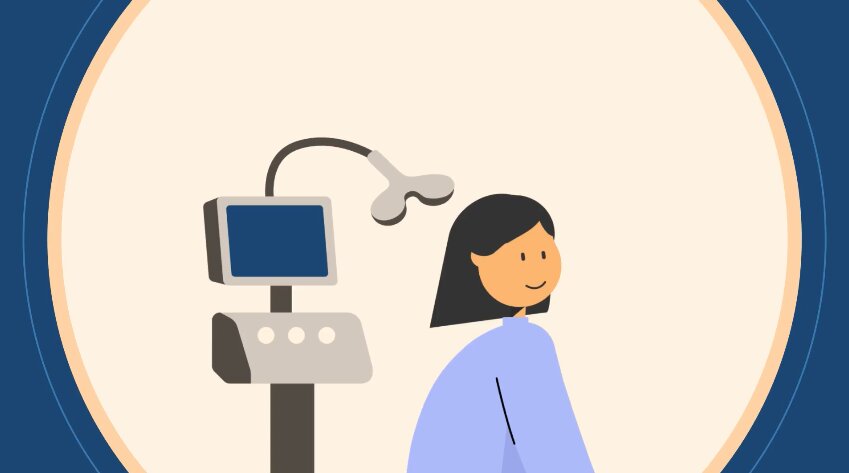
During treatment, you sit comfortably while a small device delivers magnetic pulses to targeted areas of the brain. Sessions typically last about 20 minutes, require no anesthesia, and you can return to normal activities immediately afterward.
The individual needs to come 5 days a week for 6 to 8 weeks and possibly 3 additional weeks to slowly step down the treatment when required by insurance. A typical total of treatments is 36.
Many commercial insurance plans cover TMS therapy when it is considered medically necessary for depression that has not responded to other treatments. Coverage varies, so benefits are usually verified before starting treatment.
TMS is generally well tolerated. The most common side effects include mild scalp discomfort or headache, which often improve with adjustments to treatment. Serious side effects are rare.
Psychiatrists at LifeStance are physicians with MD or DO degrees who have completed medical residencies and are licensed in their state. Licensure generally includes completion of a medical degree, residency, board exams, and ongoing continuing medical education. All LifeStance psychiatrists are Board Certified or Board Eligible in psychiatry.
Would you like to speak with a representative in California?
Call Now:
844-875-7240
(During Office Hours)
Find a TMS Clinic Near You in California
References
A.K. Memon. Transcranial Magnetic Stimulation in Treatment of Adolescent Attention Defecit/Hyperactivity Disorder: A Narrative Review of Literature. Innovations in Clinical Neuroscience, 2021 Jan-Mar, 18(1-2): 43-46
Dougall N, Maayan N, Soares-Weiser K, McDermott LM, McIntosh A. Transcranial Magnetic Stimulation (TMS) for Schizophrenia. Cochrane Database Syst Rev. 2015 Aug 20;2015(8)
Gold AK, Omelas AC, Cirillo P, Caldieraro MA, Nardi AE, Nierenberg AA, Kinrys G. Clinical Applications of Transcranial Magnetic Stimulation in Bipolar Disorder. Brain Behav. 2019 Oct;9(10)e01419.
Gorelick DA, Zangen A, George MS. Transcranial Magnetic Stimulation in the Treatment of Substance Addiction. Ann N Y Acad Sci. 2014 Oct;1327(1):79-93
Hamlin D, Garman J. A Brief History of Transcranial Magnetic Stimulation. American Journal of Psychiatry Residents. Vol 18.3.
Harris A, Reece J. Transcranial Magnetic Stimulation as a Treatment for Posttraumatic Stress Disorder, A Meta-Analysis. J Affect Disord. 2021 Jun 15;289:55-65.
Rossi S, Hallett M, Rossini PM, Pascual-Leone A; Safety of TMS Consensus Group. Safety, ethical considerations, and application guidelines for the use of transcranial magnetic stimulation in clinical practice and research. Clin Neurophysiol. 2009 Dec;120(12):2008-2039.
Rush et al, STAR*D Investigators Group. Sequenced treatment alternatives to relieve depression (STAR*D): rationale and design. Control Clin Trials. 2004 Feb;25 (1):119-42
Carpenter, et al. Transcranial magnetic stimulation (TMS) for major depression: a multisite, naturalistic, observational study of acute treatment outcomes in clinical practice. Depress Anxiety. 2012 Jul;29(7):587.