Navigating Life’s Big Transitions: A Conversation with Olympian Cassidy Krug

Episode 219Feb 25, 2026
convos-from-the-couch-logo.png

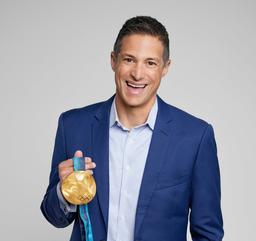
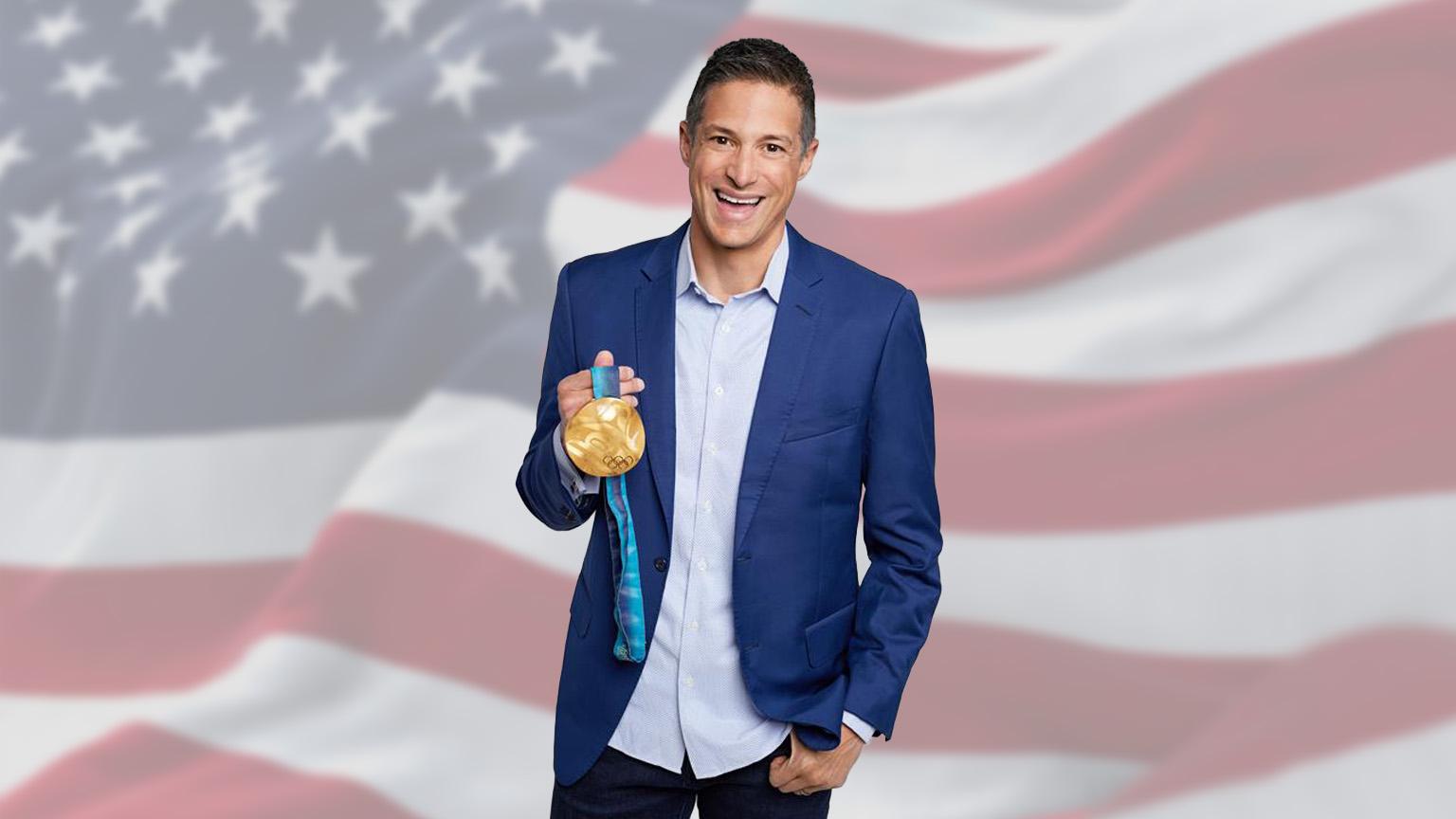
In this special episode of Convos from the Couch, we chat with Olympic diver and author Cassidy Krug to explore what really happens after life’s biggest moments. Joined by former fellow diver and Senior Growth Marketing Manager McKenze Rogers, Cassidy opens up about her journey from elite athlete to writer, parent, and someone continually learning to navigate change.

Together, they talk about the emotional realities of transition — the uncertainty and the “murk” that often follows major milestones. Cassidy shares insights from her book Resurface, including what she discovered while interviewing dozens of people about the turning points in their own lives. From Olympians and cancer survivors to those redefining themselves after career shifts, she explains how shared themes emerge across very different experiences.

Listeners will hear practical ways to move through change with compassion, from embracing vulnerability to giving yourself permission to grieve what you’ve left behind. Cassidy also offers approachable tools — like novelty weeks, reframing failure, and seeking connection through informational conversations — that can help anyone feel less alone in their next chapter.

Learn more about Cassidy's book Resurface.

Episode 219 / February 25, 2026
Cassidy Krug
with Cassidy Krug
Cassidy Krug

MEET THE GUEST

Cassidy Krug

Cassidy Krug is an Olympic diver, author, and storyteller who explores what it means to navigate life’s biggest transitions with honesty and courage. A 2012 Olympian and ten-time national champion, Cassidy has since built a career centered on writing, interviewing, and helping others make sense of change. Her book, Resurface, draws on her own post‑Olympic journey and conversations with dozens of people—from athletes to cancer survivors—to reveal the shared threads that shape how we move forward. Today, she continues to write, parent, and pursue creative passions while inspiring others to embrace vulnerability, curiosity, and growth in the uncertain moments of life.

Related Podcasts

THERAPY | TRENDS AND PREDICTIONS

Convos from the Couch welcomes Olympic athletes Steve Mesler and Jeremy Dodson for a powerful, honest conversation about the mental health realities behind the world’s biggest stage. While fans see strength, precision, and glory, today’s episode pulls back the curtain on what elite competitors carry long before — and long after — they step onto the track...
podcast_website-89.jpg
EATING DISORDERS

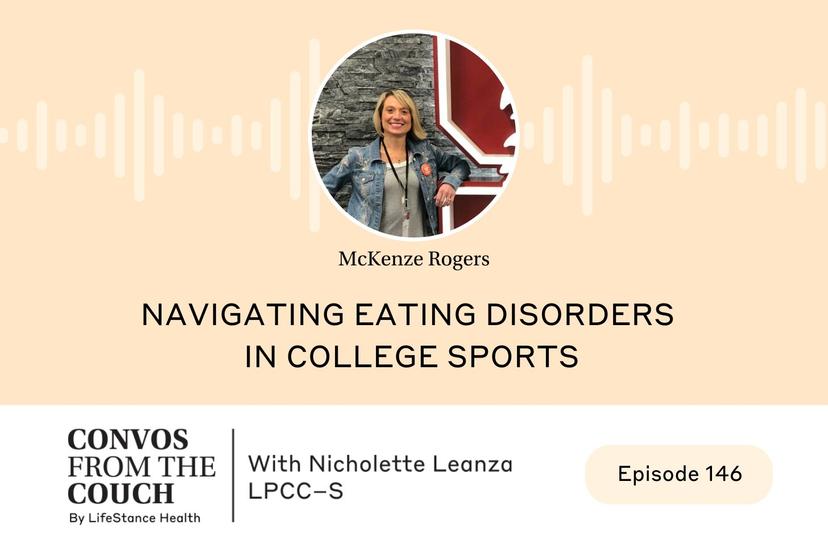
In this episode, Nicholette interviews McKenze Rogers, LifeStance Health's Marketing Integrations Manager, who shares her recovery journey from an eating disorder while being a student athlete. McKenze emphasizes on the prevalence of eating disorders among college athletes. She also recounts her experiences as a Division I Champion Diver at Stanford, sharing the intense and unforgettable...

convos-from-the-couch-logo.png

Feel Better. Think Brighter. Live Deeper.

You’re not alone in figuring it all out. We’re diving into real struggles, surprising breakthroughs, and the small shifts that can change everything. Whether you're stuck in your head or striving for better days, this podcast is your weekly check-in — calm, clear, and truly useful.

Subscribe to our podcast at:

Related Blogs

A young college athlete prepares herself for a track meet at a local university
Jul 23, 2024 | 7 MIN READ
Updated from previous article on May 6, 2022. Sports, and especially team sports, have many benefits for kids and student-athletes. Studies have consistently shown that kids who participate in sports make better grades, are more likely to go to college and stay more active and healthier later in life. Student-athletes are more likely to finish college and less likely to drop out than non-athlete students. They benefit from priority class registration, mandatory study hours, and tutoring sessions that boost their GPA, resources not always available to non-athletes. Additionally, the transition to college can be nerve-wracking, even for those who find socializing easy. Being a student-athlete fosters early social interactions, helping to establish lifelong friendships and relationships from the start. Studies that showed the positive effects of playing sports dovetailed with increased parental investment on kids’ activities over the past forty years. That total number of collegiate student-athletes was an all-time high for the NCAA in 2023 and marks a near 3,000 spike from the previous year.
Steve Messler shares why vulnerability is difficult for elite athletes
Feb 13, 2026 | 6 MIN READ
Elite athletes are often praised for their resilience, grit, and mental toughness. But Steve Mesler, 2010 Olympic gold medalist in the bobsled, explains how those same qualities can quietly become barriers to mental health support. In a recent episode of LifeStance Health’s Convos from the Couch podcast, Mesler shared candid insights into why vulnerability is so difficult for elite athletes, how depression nearly cost him his life, and how he is now working to support future generations through the non-profit organization, Classroom Champions.