
Angela M. Caiazza is a Licensed Marriage and Family Therapist in Oregon. Practicing since 2010, she uses an eclectic, relationship-focused approach drawing from the Gottman Method, Emotionally Focused Therapy (EFT), Cognitive Behavioral Therapy (CBT), and Eye Movement Desensitization and Reprocessing (EMDR). Angela helps clients navigate relational challenges, emotional healing, and personal growth, and she shares her insights on the LifeStance Health blog.
Authored by Angela Caiazza
Angela Caiazza is an expert medical author at LifeStance Health. The following publications have been authored by Angela Caiazza.

Tired of feeling drained after time on social media? Bloomscrolling means choosing uplifting, calming content on purpose, and this guide covers what early research suggests about it, real examples and simple ways to start, so read on to make your feed work for your mental health.

Quiet cracking is the gradual buildup of workplace dissatisfaction, stress, and disengagement that can leave employees feeling emotionally depleted even while they continue showing up and performing. Recognizing the signs early and addressing stress, boundaries, and mental health needs can help prevent burnout and create a healthier, more sustainable relationship with work.

Hope is more than just a feeling. It serves as a psychological anchor, provides a way to cope, and acts as a force that influences how we move through difficult chapters. In the spirit of renewed optimism, Dolly Parton rereleased her beloved classic “Light of a Clear Blue Morning” in 2026, describing it as a song she originally wrote when she was “searching for hope.” A message, she says, “still feels just as true” 50 years later (Parton, 2026). In many ways, Dolly’s message resonates with the core of positive psychology: hope is a tool that helps us believe in possibilities beyond the present moment. Whether we’re rebuilding after loss, navigating uncertainty, or simply trying to make sense of the world, hope and optimism may fundamentally shift the emotional landscape of our lives.

Coloring isn't just for kids, and focusing on one small, simple task like it may help quiet a mind that won't stop worrying. This guide explains why coloring can feel so calming, shares what the research suggests and lists 10 therapist-informed coloring apps, so read on to find your new favorite way to unwind.

Pickleball has become America's fastest-growing sport, drawing millions of new players over the past few years, with a particularly devoted following among older adults. It’s also the subject of The Dink, the new Apple TV+ comedy about a sidelined tennis pro who trades his racquet for a paddle and finds himself taken in by a group of older players. Writer Sean Clements said the film grew out of his own experience getting "adopted by a whole crew of older women" at pickleball mixers. That detail points to something bigger about the sport: pickleball is as much about the people you meet on the court as the game itself. With about 1 in 3 adults ages 50 to 80 reporting loneliness, the connection it offers may be part of why it’s so good for well-being later in life. Here's how a backyard game became a national obsession, and what the research says it may be doing for mental health.

Financial stress is one of the most consistent triggers of both anxiety and depressive symptoms in adults, and the research backs it up at scale. The American Psychological Association's 2024 Stress in America survey of more than 3,300 U.S. adults found that 73% rated the economy as a significant source of stress, making it the second most common stressor in the country. A separate national survey of over 1,000 U.S. adults found that 83% of Americans report financial stress driven by inflation, rising living costs, and recession fears, with millennials and Gen Z carrying the heaviest psychological load. Researchers have started calling this convergence of economic pressure and mental health strain "stressflation.” The cruel paradox is that the same financial pressure fueling the distress is also keeping people out of care: 60% have avoided mental health support specifically because of cost. Money worries can affect mental health, with measurable effects on sleep, mood, relationships, and physical health, and they can persist even in people whose bank balances look stable on paper.
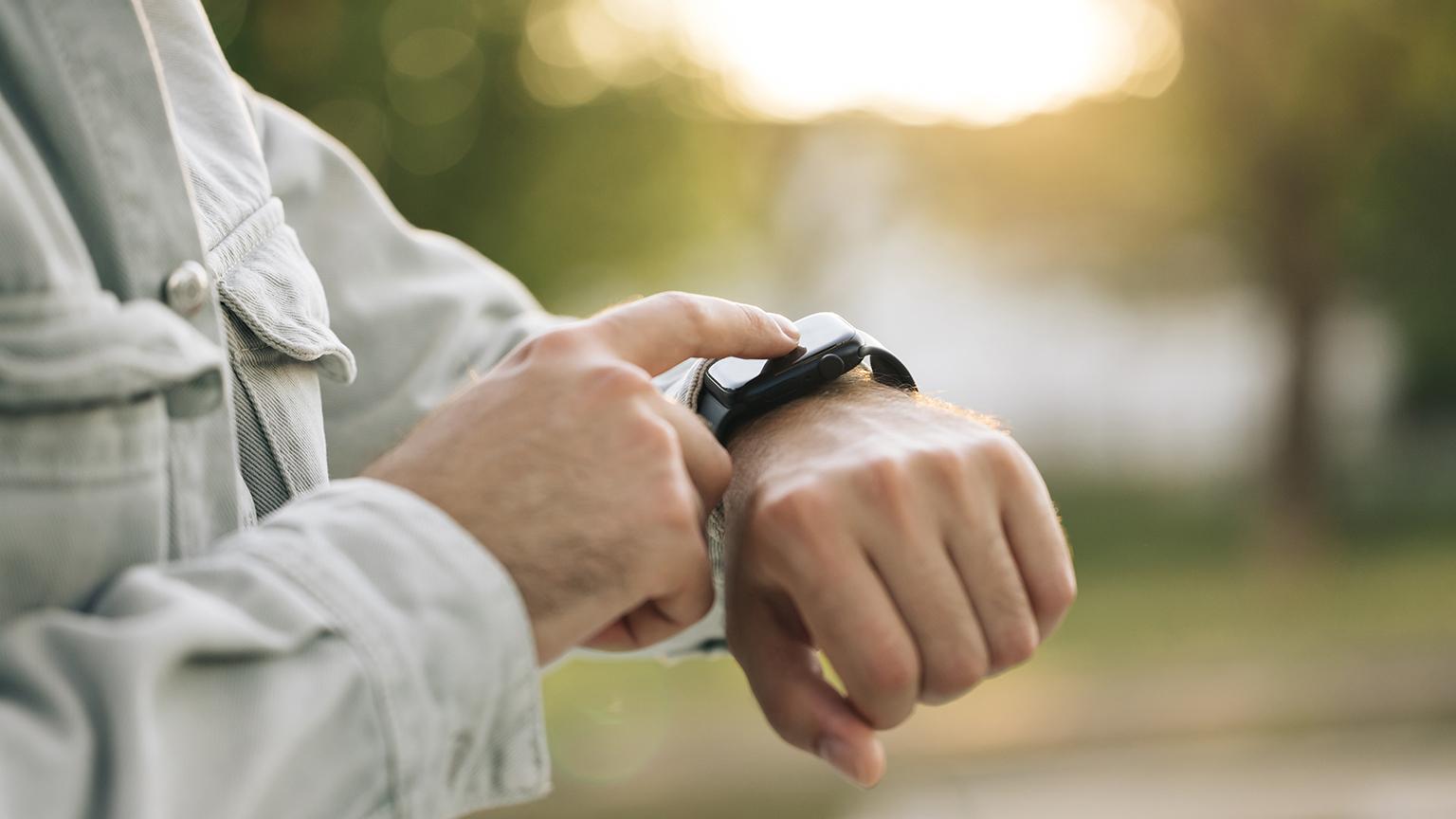
Wearable devices are increasingly marketed as tools for improving stress, sleep, focus, and overall emotional well-being. From rings that track sleep stages to bands that promise nervous system regulation, these technologies are now part of everyday life for many people. This raises an important clinical question: can wearables meaningfully support mental health and if so, for whom? Current research and clinical experience suggest that wearables may play a supportive role in mental health care when used thoughtfully. They are best understood as adjunctive tools that may increase awareness and potentially encourage healthier habits, not as diagnostic devices or replacements for therapy or psychiatric care.
Reviewed by Angela Caiazza
Angela Caiazza is an expert medical reviewer at LifeStance Health. The following publications have been medically reviewed by Angela Caiazza.

Certain scents can tap into brain pathways linked to emotion, memory, and stress, making aromatherapy a simple addition to a self-care routine. Products featuring scents like lavender and citrus may help promote relaxation, better sleep, and a more positive mood.