Why Experience Gifts Make the Best Holiday Gifts for Mental Health

Read Time: 7 Min
Clinically Reviewed by
Stephanie Thomas, M.Ed, LPC-S

The holidays can bring a lot of pressure to find the perfect gift. But what if the best one is something to look forward to: a concert, a weekend away, or an afternoon learning something new together? Experience gifts – something to do rather than something to keep – may support mental health in ways that more stuff often cannot. Here’s what research says about why they may help and how to give them.

Why Experience Gifts Are Good for Mental Health

An experience gift is a present the person lives through instead of keeps. Think of a cooking class, tickets to a show, a day hike, or a planned afternoon together. They’re often called experiential gifts or non-material gifts.

Research suggests that experiential purchases bring more happiness because they increase social relationships, form a bigger part of a person’s identity, and create less comparisons than material purchases.

Experience Gifts Give People Something to Look Forward To

The good feelings that come from an experience gift may begin long before the day itself. Research published in Psychological Science found that people enjoyed waiting for an experience more than waiting for a material purchase.

That difference can matter most in the months with less daylight. When January feels long and gray, a concert ticket for February or a spring getaway can be a bright spot on the calendar. It’s something fun to count down to, especially for people who struggle with the winter blues.

Experience Gifts Bring People Closer

An experience gift can do more than make someone happy. It can also bring individuals exchanging gifts closer. In a study in the Journal of Consumer Research, people who received an experience felt a stronger bond with the giver than people who received a physical gift. This was true even when the giver didn’t come along. The researchers found that the bond grew from the feelings people had while enjoying the experience, not from the moment they opened the gift.

Experience Gifts Tend to Stay With People Longer

A new gadget or sweater is exciting at first, but over time, most people get used to it, and the thrill fades. Experiences can work differently. Instead of fading, a good memory often gets better with time. For instance, the rainy camping trip where everything went wrong slowly turns into the funniest story of the year. Experiences can also become part of who people are, and they give everyone involved something to laugh about and talk about for years to come.

Less Focus on Stuff, Less Pressure

Some objects carry real meaning, like the comfort objects many people hold onto for years. Still, a large review of studies on materialism and well-being found that people who put a high value on money and possessions tended to report lower well-being.

Giving an experience can gently shift the focus of the season away from what is under the tree and toward the time you spend together. It may also ease some of the financial strain of holiday shopping, because an experience can be planned around a budget, from a concert getaway to a homemade dinner and a movie night on the couch.

Experience Gift Ideas That Support Mental Health

The best experience gift fits the person rather than a trend. Whether you are shopping for experience Christmas gifts, Hanukkah presents, or something for the new year, these experience gift ideas are starting points. Before booking, check that the date, location, and activity fit the receiving person’s schedule.

Experience Gifts for Couples

  • A cooking class for two that turns dinner into a chance for mindful eating

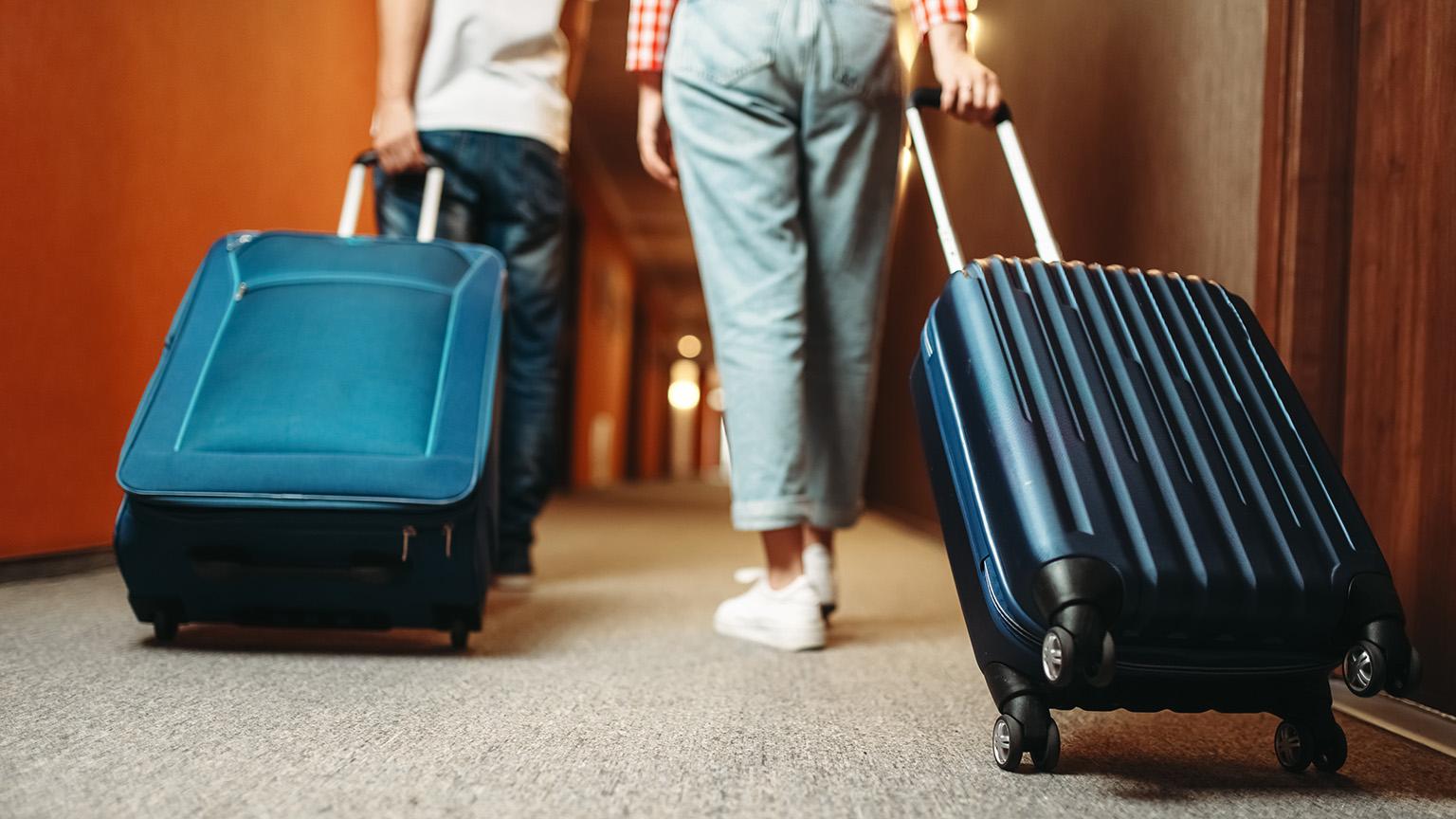
  • A night at a local inn or a short road trip

  • Tickets to a show, a comedy night, or a concert

  • A dance, pottery, or painting class

  • A date-night jar with 12 ideas, one for each month of the year

For partners who have been feeling lonely in a relationship, a shared experience can be a reminder to make time for each other.

Experience Gifts for Kids and Families

  • A family membership to a zoo, aquarium, or science museum

  • Tickets to a children’s theater show

  • Lessons in something new, like swimming, skating, or music

  • A backyard camping night or a family game day

  • A day trip to a state park or nature trail to enjoy the benefits of nature together

Kids often remember the time spent together more than the toy. And play matters for grown-ups too, so join in.

Experience Gifts for Parents

  • A massage or spa day

  • A class in something they have always wanted to try

  • A family photo session or a recorded conversation about their life story

  • A home-cooked dinner delivered on a set night each month

  • An afternoon of free babysitting for parents of young kids

For parents juggling a lot, the gift of time can help lighten the mental load and make room for self-care for parents.

Gifts for Someone With Anxiety

For a person living with anxiety, the best experience gift may be a calm one. Big crowds, loud venues, or surprise plans can feel more stressful than fun. Quieter, predictable experiences often land better.

  • A beginner class in mindfulness or meditation

  • A beginner’s yoga practice class or a series of nature walks

  • A pottery, knitting, or art class in one of the cozy hobbies they enjoy

  • A slow weekend morning with coffee, a bookstore visit, and no plans after

  • Tickets for a weekday or off-peak time, when places are less crowded

Share the plan ahead of time and let them help choose the date. For someone with social anxiety, a one-on-one outing may feel better than a group event.

How to Give an Experience Gift

An experience does not come in a box, so a little planning helps it feel special when it is opened.

  • Make it something to unwrap. Pair the ticket or plan with a related item, like a recipe card for a cooking class or a trail map for a hiking day.

  • Put a date on it. Open-ended vouchers are easy to forget. Choosing a date together turns the gift into a real plan.

  • Offer to go along. A shared experience gives both people something to look forward to and something to remember.

  • Match the gift to their comfort level. Think about crowds, noise, travel, and physical ability before booking. Some people love surprises, and others would rather know the plan.

  • Keep it flexible. Check refund or rescheduling policies in case plans change.

When the Holidays Feel Heavy

Thoughtful gifts can bring people closer, but they are not a fix for everything. The holidays can stir up grief, family stress, and loneliness, even in the middle of celebrations. Simple holiday mental health tips, like getting outside, protecting sleep, and setting limits, can help. Sometimes, though, more support is needed.

If low mood, worry, or loss is making the season hard to enjoy, a therapist can help you sort through what you are feeling and build coping skills that last well past January. A psychiatrist or psychiatric clinician can evaluate whether other treatment options, including medication when clinically appropriate, may help. For families going through a hard season together, family therapy may help relatives communicate with more ease.

A study of thousands of LifeStance patients found that 79% experienced clinically significant improvement in anxiety symptoms and 73% experienced clinically significant improvements in depression symptoms. With both in-person and online care options available in many communities, getting connected to support may be easier than you think.

Sometimes the most meaningful gift is one you give yourself. Reaching out to a qualified mental health provider may be the experience that helps the new year feel a little lighter.

Get Expert Mental Health Insights & Tips

Complete this check to send the form.

Authored By

photo of LifeStance provider Jessica Clark
Jessica Clark, DNP, PMHNP

Jessica Clark is a Board-Certified Psychiatric Mental Health Nurse Practitioner in Georgia. She provides evidence-based, compassionate care that recognizes each person’s individuality and works collaboratively with clients to achieve their goals. Jessica is LGBTQIA+ affirming, sex-positive, and takes a holistic...


Reviewed By

photo of LifeStance provider Stephanie Thomas
Stephanie Thomas, M.Ed, LPC-S

Stephanie Thomas is a Licensed Professional Counselor Supervisor in Texas with over 20 years of experience. She works with clients facing depression, anxiety, trauma, relationship challenges, and chronic mental illness. As a Trust-Based Relational Intervention (TBRI) specialist, Stephanie combines Cognitive...


Find Mental Health Care
Near You

Search Articles

Get Expert Mental Health Insights & Tips

Complete this check to send the form.

Find Mental Health Care Clinics & Services Near You