
LGBTQ+
Learn about mental health challenges and support in the LGBTQ+ community. Explore resources from LifeStance therapists.
Selected Category:

Blog Posts

LGBTQIA+ Affirming Therapy: Should Your Therapist Be LGBTQIA+?
Explore the benefits and considerations of choosing an LGBTQ+ therapist versus an affirming ally. Experts share insights on comfort, connection, and key questions to ask therapists.
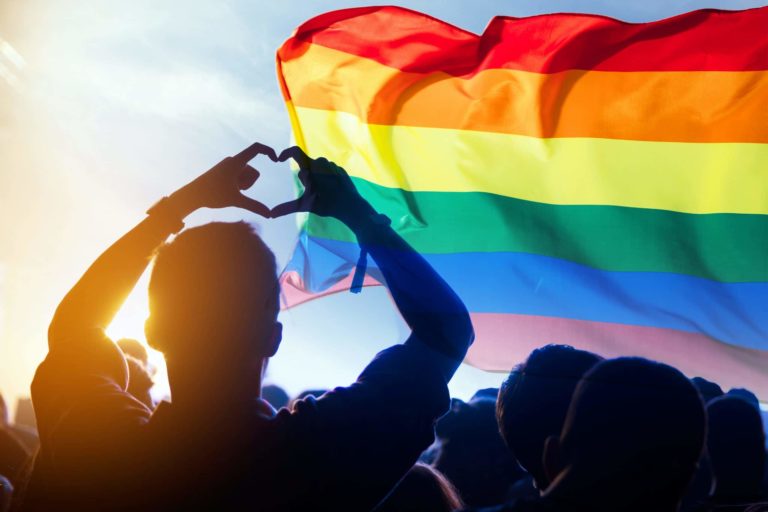
How to Be a Great LGBTQIA+ Ally: Support, Allyship, and Mental Health
June is National LGBTQ+ Pride Month and the Lesbian, Gay, Bisexual, Transgender & Queer + community loves allies!

Why Heated Rivalry Resonates Emotionally, Explained by a Therapist
This article reflects themes originally explored in a podcast conversation featuring therapists Khannah Wetmore and Harley Rubin. As a therapist, it isn’t unusual for clients to mention books, series, or movies that resonate with them emotionally. What stood out about Heated Rivalry, though, was how often it came up, with different clients repeatedly recommending it across sessions. When a story elicits such a strong response across a wide audience, it often signals something deeper than entertainment. After watching Heated Rivalry, it became clear why viewers frequently describe it as emotionally impactful in unexpected ways. The series reflects real psychological and relational experiences that many people may recognize emotionally, even if they haven’t found words for them. For those unfamiliar with the series, Heated Rivalry follows two rival professional hockey players, Shane Hollander and Ilya Rozanov, whose relationship unfolds within the high‑pressure culture of elite sports. How Media Can Be a Tool for Emotional Processing Stories with emotionally charged themes may give people a way to process their own experiences safely and indirectly. When someone thinks, “I feel like this character,” or “I recognize myself in this dynamic,” they’re engaging in emotional processing. For individuals navigating trauma, relationship challenges, or identity‑related stress, media can serve as a mirror, offering language for feelings that may be difficult to articulate and possibilities for connection, healing, and growth. When emotional processing is facilitated through story, certain themes tend to resonate more strongly, and Heated Rivalry repeatedly returns to several of them. LifeStance Health is a national leader in mental, behavioral, and emotional wellness with multiple locations in 35 states. Services vary by location. Find a provider near you: Arizona California Colorado Connecticut Delaware District of Columbia Florida Georgia Illinois Indiana Kansas Kentucky Maine Maryland Massachusetts Michigan Minnesota Missouri Nevada New Hampshire New Jersey New York North Carolina Ohio Oklahoma Oregon Pennsylvania Rhode Island South Carolina Tennessee Texas Utah Virginia Washington Wisconsin The Themes Behind Heated Rivalry’s Emotional Impact The intensity of Shane and Ilya’s connection, paired with moments of vulnerability and care, may resonate with those who have lived through difficult relationships or periods of emotional isolation. Viewers often see themselves reflected in characters because the story feels emotionally honest. Much of Heated Rivalry's impact stems from its focus on identity, vulnerability, and connection. These themes appear throughout the series, shaping why so many people have expressed feeling fundamentally changed after watching it. Together, they may offer a way for viewers to recognize, reflect on, and make sense of their own emotional experiences. 1. Navigating Queer Identity in a Hyper-Masculine World Set within a hyper-masculine sports environment, Heated Rivalry sheds light on the experience of hiding, pretending, or compartmentalizing parts of yourself to feel safe or accepted, an experience familiar to many LGBTQIA+ individuals. Shane and Ilya’s story reflects both external pressures, like fear of judgment or professional consequences, and internal struggles shaped by those environments. Resistance to self-disclosure, fear of family rejection, and internalized messages about who it’s acceptable to be all mirror challenges many LGBTQIA+ individuals navigate in real life. At the same time, the series challenges long‑standing cultural narratives. It presents queer men as strong, successful professional athletes without framing their identity as a limitation. That visibility matters and reinforces a powerful truth: identity does not negate competence, talent, or worth. 2. Redefining Strength and Vulnerability Professional sports, particularly men’s sports, often define strength through emotional restraint, stoicism, and self‑sacrifice. Within that culture, vulnerability can feel risky or even discouraged. Heated Rivalry pushes back on these norms by forcing its characters to confront what it means to be emotionally open in an environment that resists it. This struggle can be familiar to many men and boys, whether they’re athletes or not. Difficulty expressing feelings, asking for support, or naming emotional needs is often shaped by cultural expectations. Real‑world athletes have echoed that reality as well. Olympic bobsledder Steve Mesler has spoken openly about how emotional suppression can coexist with outward success, highlighting the toll that silence and self‑containment can take, even at the highest levels of achievement. By depicting men who experience anxiety, seek reassurance, and learn to communicate more openly, Heated Rivalry reflects that same tension between performance and emotional health. In doing so, the story helps create space for healthier conversations about intimacy, communication, and connection. 3. What It Means to See Queer Desire Treated as Normal In much of mainstream media, desire is often framed through the objectification of women, while queer male attraction is treated as either transgressive or invisible. Heated Rivalry centers queer male desire as a natural part of the narrative, allowing it to exist without spectacle or explanation. In a clinical setting, conversations with queer clients frequently touch on the distinction between cultural identity and sexuality, both of which are meaningful aspects of a full queer experience. By portraying queer desire as ordinary rather than controversial, the series offers a form of normalization that many people rarely see reflected back at them. 4. Portraying Neurodivergence Without Stereotypes Many viewers recognize aspects of neurodivergence in Shane’s character. Not because the series labels him, but because of how his communication style and emotional processing are portrayed. Neurodivergence refers to variations in how people think, communicate, and experience the world, including but not limited to autism spectrum disorder (ASD) and attention deficit hyperactivity disorder (ADHD). In Heated Rivalry, some viewers point to small character moments, like Shane carefully folding his clothes during intimate scenes, as details that add texture to his portrayal. That attention to routine can be interpreted as a way he maintains a sense of control or grounding during heightened emotional situations. Similarly, his communication style is depicted as literal and direct, at times missing sarcasm or social cues. This portrayal can be meaningful because of its subtlety. Media often defines neurodivergent characters by stereotypes or limitations. Shane is accomplished and highly competent, signaling that neurodivergent individuals can exist in every role, including those traditionally associated with peak performance. This kind of representation can help broaden understanding and challenge assumptions about neurodivergence. 5. How Healthy Relationships Grow Over Time At the beginning of the series, Shane and Ilya’s relationship is marked by avoidance, anxiety, and miscommunication. Rather than romanticizing these patterns, the story allows space for them to be examined and eventually challenged. Over time, their relationship becomes more balanced. They learn to communicate more openly, set boundaries, and show up for one another, particularly during moments of emotional distress. Support during anxiety or panic attacks, conversations about their future, and mutual respect become part of their evolving connection. This progression also highlights the power of social modeling. In psychology, observing others navigate difficult conversations or relational challenges can help some people learn how to advocate for themselves. By showing characters clearly naming harm and setting boundaries, the series models what self‑advocacy can look like, especially for those who may struggle to do the same in their own relationships. What makes this portrayal meaningful is its realism. Growth often unfolds gradually and unevenly, but it remains possible. Seeing that kind of progress modeled over time can feel reassuring, reminding us that healthy relationships aren’t defined by the absence of struggle, but by the willingness to face it together. Why Stories Like Heated Rivalry Stay With Us Stories like Heated Rivalry often resonate because they reflect emotional truths many people carry, giving shape and language to experiences that are often felt before they’re understood. Themes of identity, vulnerability, and relational growth aren’t just narrative elements; they’re central to mental health and emotional well-being. In the end, the series opens space for recognition, connection, and the possibility of safety and belonging. It's a quiet reminder that the cottage is always the destination. References to Heated Rivalry are for educational discussion only and do not imply endorsement. Media is not a substitute for professional care, and this article does not constitute clinical advice or therapeutic guidance. If you need additional support, consider reaching out to a licensed mental health professional.

Podcasts
Creating a Culture of Belonging at Work
Learn how workplace belonging shapes culture, engagement, and well-being as LifeStance DEIB leaders share practical ways to foster connection and inclusion.
What It Really Means to Be an LGBTQ+ Ally
Learn what allyship looks like in everyday life on Convos from the Couch. Therapist Jerry Lawson shares practical ways to support the LGBTQ+ community.
Why “Heated Rivalry” Hit Us So Hard
LifeStance Health experts unpack the emotional power and queer representation behind HBO’s “Heated Rivalry” on Convos from the Couch.

Related Services & Conditions

LGBTQIA+ Community and Mental Health
In keeping with our mission to expand mental health care access to everyone, LifeStance does not discriminate against members of the LGBTQIA+ community.

Therapy Groups

Mindfulness for Adults with ADHD Group
Are you an adult with ADHD looking for support, accountability, and practical strategies to thrive?
Available in all California cities ➔
Available in all Pennsylvania cities ➔

LGBTQI+ Affirming Group
This psychoeducational and therapeutic group provides a safe and mutually respective space to explore nonbinary and trans challenges.