
TMS Therapy Explained
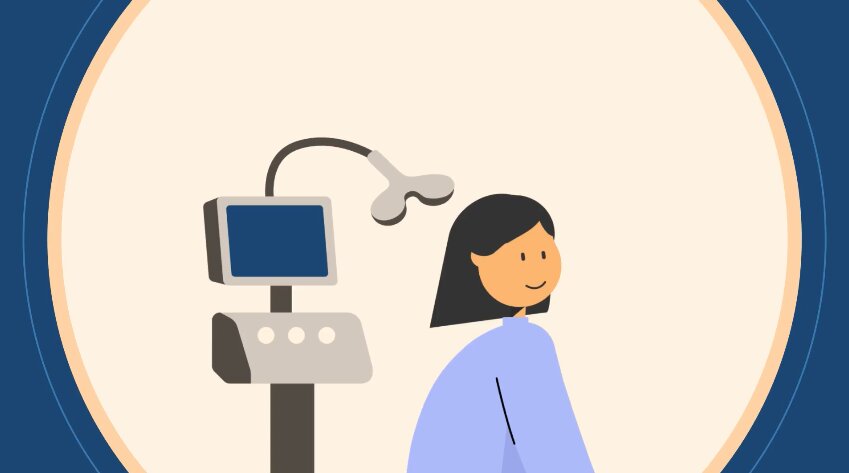

Watch our short video to learn how TMS works, what to expect during treatment, and whether it may be right for you. TMS, or Transcranial Magnetic Stimulation, is an FDA-approved, non-drug therapy that uses gentle magnetic pulses to stimulate underactive areas of the brain involved in mood regulation. It’s designed for people with treatment-resistant depression — those who have tried two or more antidepressants without meaningful relief — and may also be used for anxiety and OCD. Sessions are 16–20 minutes, require no anesthesia, and you can drive yourself home afterward. Research shows that 58% of people who complete the full treatment course see their symptoms cut in half, and 37% achieve full remission.
Video Transcription
0:00
Depression can feel overwhelming, especially when medication and therapy didn’t work.
0:05
But there’s an FDA approved non drug option that’s helping many people find relief.
0:10
Transcranial Magnetic Stimulation, or TMS, is a safe, non invasive treatment that uses gentle magnetic pulses to stimulate or wake up areas of the brain involved in mood regulation, which tend to be less active in individuals with depression.
0:27
TMS is often recommended for individuals with difficult to treat depression or treatment resistant depression, meaning they’ve tried two or more prescribed antidepressants without success.
0:38
In some cases it’s also used to treat conditions like anxiety and obsessive compulsive disorder, or OCD.
0:45
During a TMS session, you’ll sit comfortably while a small device is placed on the top of your head between your ear and forehead.
0:53
The device sends gentle magnetic pulses to areas of your brain that control mood, helping wake up these under active nerve cells.
1:01
During treatment, you may notice a light tapping sensation on your head, but TMS is a non invasive treatment and is not electroshock therapy.
1:11
Each TMS session lasts between 16 to 20 minutes, requires no anesthesia, and you can return to your normal activities, including driving, right after.
1:21
Side effects are minimal, possibly mild scalp tenderness or a headache that fades quickly or is often treated with over the counter medications.
1:29
Overall, TMS avoids the body wide side effects often seen with antidepressant medications.
1:36
Research indicates that 58% of people who finish the full 36 TMS sessions see their symptoms cut in half, and 37% achieve full remission from their depression symptoms.
1:48
And TMS is often covered by major insurance plans for qualifying individuals.
1:53
See if TMS is right for you.
1:55
Take our depression questionnaire at lifestance.com/tms/. Hope is here.