
Beyond Weight Loss: How GLP‑1 Medications can Affect the Mind and Body

May 16, 2026
convos-from-the-couch-logo.png

What happens in the mind—not just the body—when someone starts a GLP‑1 medication?

In this episode, we explore what’s happening in the brain and body when someone takes a GLP‑1, including changes in appetite, metabolism, and what many patients describe as a reduction in “food noise.” We look closely at the psychological impacts clinicians are noticing: shifts in self‑esteem, social experiences around food, and the emotional relief that can come when long‑standing weight struggles finally feel more manageable.

We also discuss important considerations, such as body image, eating disorder history, and what can happen emotionally if someone stops taking a GLP‑1 medication. 

May 16, 2026
Dr. Joseph Fondriest
with Dr. Joseph Fondriest, MD
Dr. Joseph Fondriest

MEET THE GUEST

Dr. Joseph Fondriest, MD

Dr. Joseph Fondriest completed his psychiatry residency at Cleveland Clinic Akron General / Summa Health where he served as chief resident and psychiatry representative for resident staff council. He received his medical degree from Northeast Ohio Medical University, and his bachelor’s degree and computer science minor from Miami University. He specializes in treating mood disorders, anxiety disorders, PTSD, OCD, and personality disorders. He places a heavy emphasis on listening closely to patients. He utilizes a team-based approach to mental healthcare, working alongside patients and their therapists. He treats adults of age 18-64.
View Dr. Joseph's Profile

Related Podcasts

copy-of-copy-of-cyberbullying-724-x-483-px-2.png
EATING DISORDERS

Eating disorders affect an astonishing nine percent of people worldwide. LifeStance provider and Registered Dietician Lynette Broom discusses how to recognize an eating disorder, diet culture and treatment options. Transcript Nicholette Leanza: Hello, everyone, and welcome to Convos From the Couch from LifeStance Health. I'm [Nicki 00:00:15] Leanza, and I'm really excited to talk with Lynette...
podcast_website-85.jpg
EATING DISORDERS | TRAUMA

LifeStance clinician Alaina Knoedler joins us to explore the intricate relationship between trauma and eating disorders. Alaina shares her insights on how societal pressures, family dynamics, and personal traumas can profoundly impact one's relationship with food and body image. We delve into the signs and symptoms of trauma-influenced eating habits and the importance of addressing...

convos-from-the-couch-logo.png

Feel Better. Think Brighter. Live Deeper.

You’re not alone in figuring it all out. We’re diving into real struggles, surprising breakthroughs, and the small shifts that can change everything. Whether you're stuck in your head or striving for better days, this podcast is your weekly check-in — calm, clear, and truly useful.

Subscribe to our podcast at:

Related Services

Eating Disorder Testing, Evaluation & Diagnosis

An eating disorder evaluation aids in accurately diagnosing the specific disorder, allowing for prompt intervention, and minimizing the potential long-term effects.

Related Conditions

Disordered Eating

Disordered Eating describes a variety of abnormal eating behaviors such as restrictive eating, fasting, compulsive overeating, excessive exercising, or irregular or rigid eating patterns that can be harmful to you both physically and psychologically.

Related Blogs

research suggests GLP-1 medications may support mental health
Jan 23, 2026 | 8 MIN READ
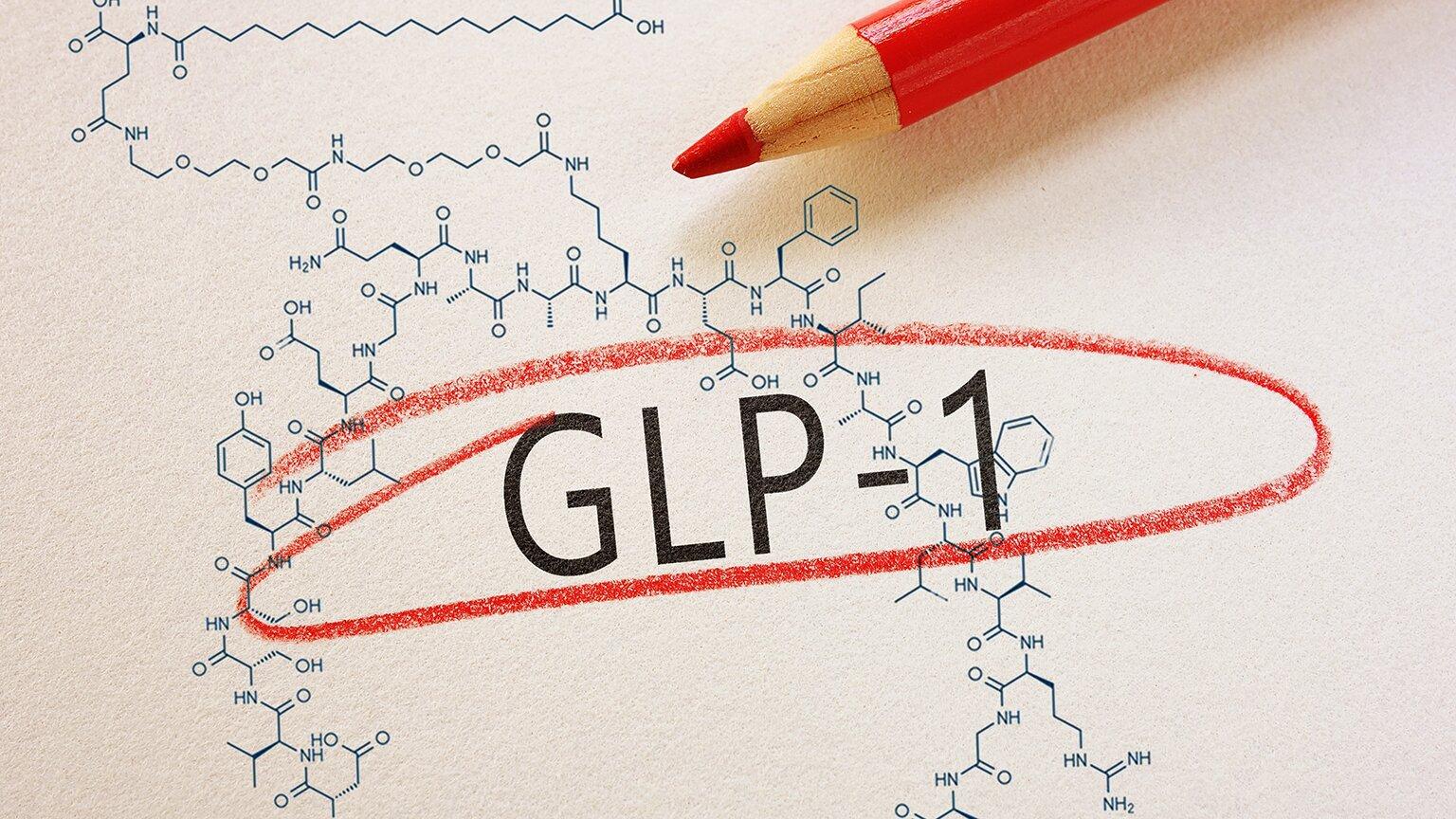
GLP-1 medications are best known for helping people manage diabetes and lose weight. Over the past several years, researchers have begun to notice something else. Many patients report changes not only in appetite and weight, but also in mood, cravings, and emotional regulation. As more data has become available, scientists have taken a closer look at how GLP-1 receptor agonists affect the brain. The growing body of evidence suggests that GLP-1 medications, while prescribed primarily for weight loss, may also support mental health when used as prescribed by a qualified clinician.
Insulin injection pen or insulin cartridge pen for diabetics. Medical equipment for diabetes parients.
Feb 11, 2026 | 7 MIN READ
This content is updated from the previous version published on August 2, 2023. Ozempic and eating disorders are now being discussed together more often as GLP-1 medications become widely used beyond diabetes care. Ozempic (semaglutide) was developed to help manage type 2 diabetes and is also prescribed for certain metabolic and weight-related conditions. Its appetite-suppressing effects have placed it at the center of complex conversations about weight, food behaviors, and mental health. For some individuals, these medications play an important role in improving overall health. For others, Ozempic may carry psychological risks, including the worsening or re‑emergence of eating disorders. This growing overlap represents what many clinicians describe as a silent collision between Ozempic and eating disorders. Understanding when GLP-1 medications may help, when they may harm, and who may be most vulnerable is essential for safe and ethical care.