Eating Disorders & Trauma

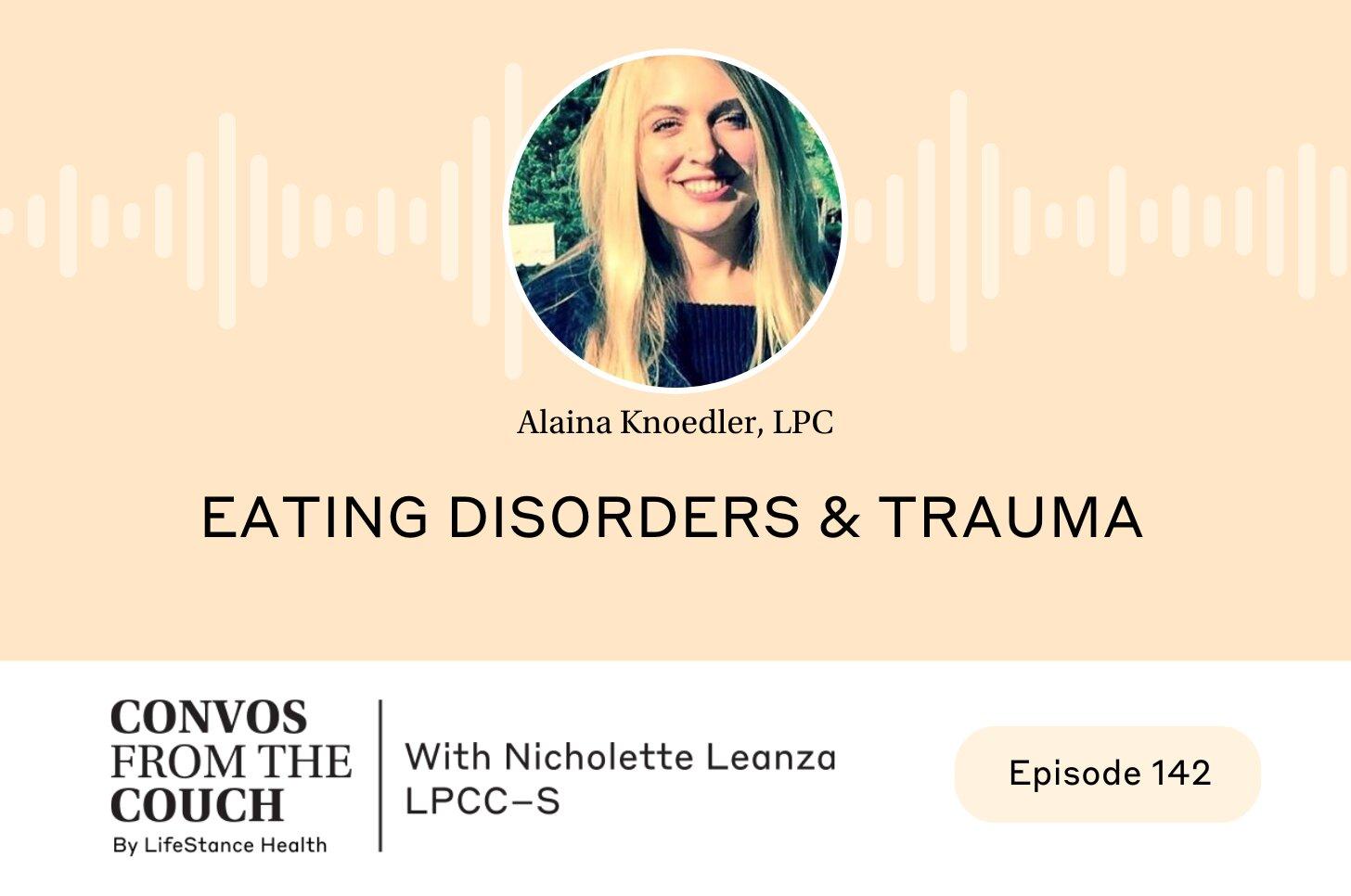
LifeStance clinician Alaina Knoedler joins us to explore the intricate relationship between trauma and eating disorders. Alaina shares her insights on how societal pressures, family dynamics, and personal traumas can profoundly impact one's relationship with food and body image.
We delve into the signs and symptoms of trauma-influenced eating habits and the importance of addressing trauma in the holistic treatment of eating disorders.
Learn more about Disordered Eating
Related Podcasts

Sabrena Ness joins us for a thoughtful conversation on the Neuro Affective Relational Model (NARM) and what it reveals about developmental trauma. We explore how our earliest experiences quietly shape the ways we show up in relationships, navigate emotions, and understand ourselves. Sabrena offers a refreshing shift in perspective—moving away from “fixing” behaviors and toward approaching...
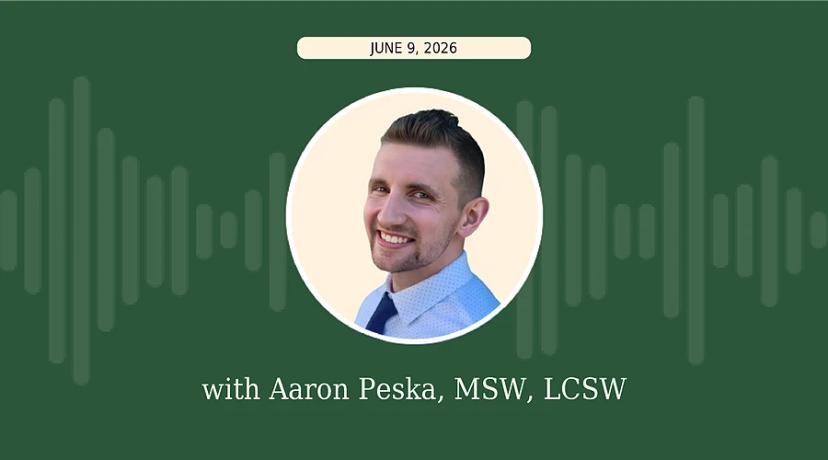
As we recognize Men's Mental Health month, we chat with therapist Aaron Peska to explore a topic that doesn’t get talked about enough—body dysmorphia in men. Together, we unpack how social pressures, evolving life stages, and internal expectations can shape the way men see their bodies and themselves. Aaron shares both professional insight and personal perspective, offering a...

What happens in the mind—not just the body—when someone starts a GLP‑1 medication? In this episode, we explore what’s happening in the brain and body when someone takes a GLP‑1, including changes in appetite, metabolism, and what many patients describe as a reduction in “food noise.” We look closely at the psychological impacts clinicians are...


Feel Better. Think Brighter. Live Deeper.
You’re not alone in figuring it all out. We’re diving into real struggles, surprising breakthroughs, and the small shifts that can change everything. Whether you're stuck in your head or striving for better days, this podcast is your weekly check-in — calm, clear, and truly useful.
Subscribe to our podcast at:
 Apple Podcasts
 Spotify
 YouTube
Related Services
Post-Traumatic Stress Disorder (PTSD) Treatments
PTSD treatments encompass a range of therapeutic approaches designed to alleviate the distressing symptoms of this mental health condition.

Eating Disorder Treatment
Eating disorder treatment commonly involves different types of therapy and, in some cases, medication or hospitalization.
Trauma Focused CBT (Cognitive Behavioral Therapy)
TFCBT directly addresses the impact of traumatic events on children and adolescents.
Related Conditions
Bulimia Nervosa
Bulimia nervosa is an eating disorder, commonly referred to simply as bulimia. It’s generally characterized by binge eating followed by purging.
Body Dysmorphic Disorder
BDD is a mental condition where a person can’t stop thinking about one or more perceived flaws in their appearance.
Disordered Eating
Disordered Eating describes a variety of abnormal eating behaviors such as restrictive eating, fasting, compulsive overeating, excessive exercising, or irregular or rigid eating patterns that can be harmful to you both physically and psychologically.

Related Blogs