
Therapists are People Too: Part Two – Podcast
December 8, 2023
Dec 8, 2023

In our follow up episode to “Therapists are People Too” LifeStance provider Melinda Zappone shares her personal journey as a therapist navigating trauma and the profound impact it has on both professionals and their clients.
Through raw vulnerability and shared experiences, explore the nuances of big T and little t traumas, unveiling the essence of healing, relational joy, and the evolving landscape of therapy. Discover how being trauma-informed isn’t just a professional approach but a way of embracing humanity’s complexities and the therapeutic power of connection.
Listen and Subscribe Here



MEET THE GUEST
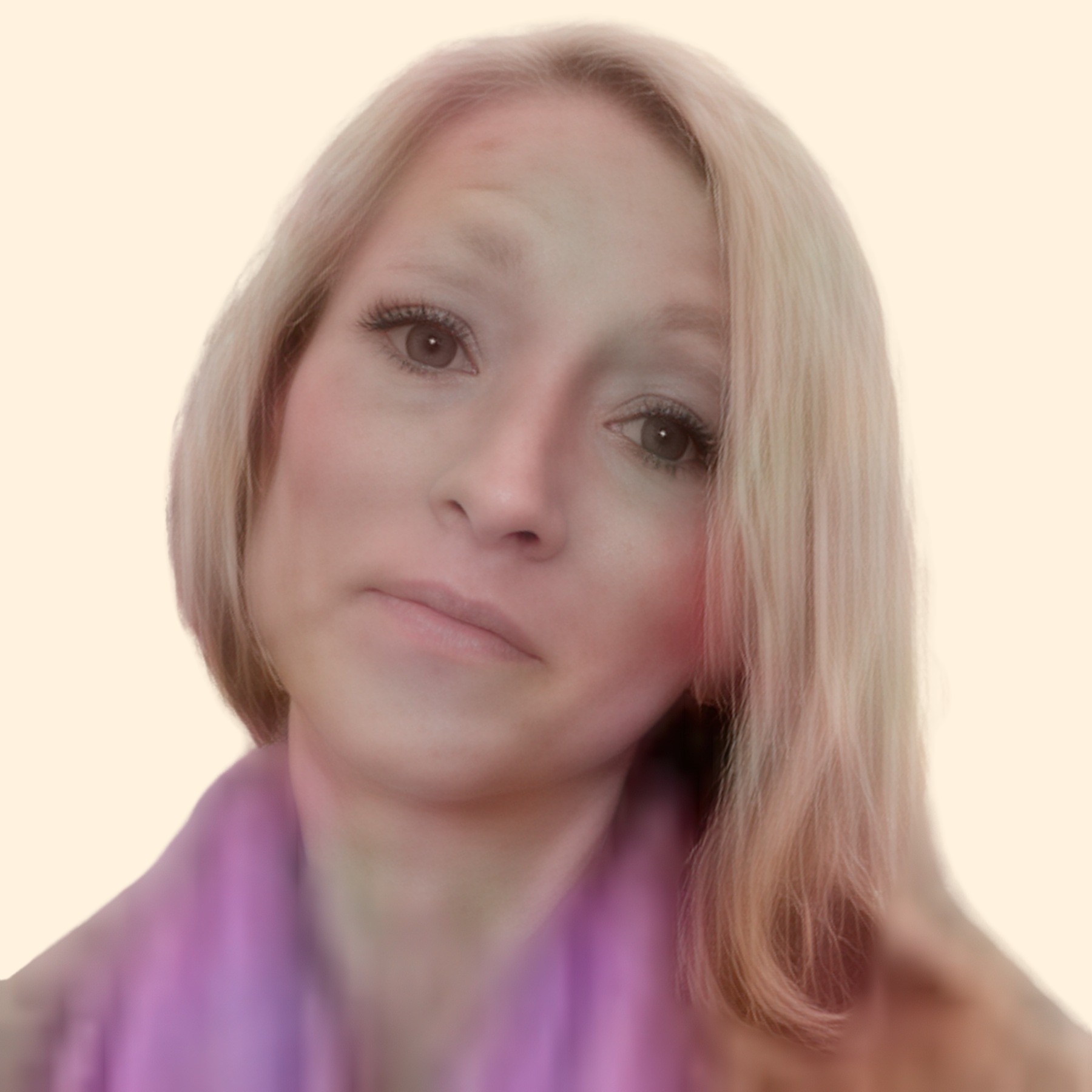
Melinda C Zappone, MS, LMHC
I view all mental health challenges through a trauma-informed lens. This means that regardless of the mental health, physical health, or relational issue, there is a pattern of holding things that need to be addressed, seen both as the story of what has happened to us and as the solution. At any moment, your problems can be an invitation to learn more about your inner blueprint of holding things. My passion for this concept is reflected in my certifications in Level 3 Relational Life Therapy, Level 2 Certified Clinical Trauma Professional (CCTP2), and various others I am happy to share to help you explore. I am a member of the International Association of Trauma Professionals, where I stay current with these tools. I hold a Master’s in Mental Health Counseling and am licensed as a Mental Health Counselor in New York (LMHC). My background in LifeForce Yoga Practitioner Training, Somatic Experiencing certifications, and several Trauma-Informed Yoga/Care certifications equip me to introduce new approaches in sessions—ways that talking alone may limit.
I believe in giving back and have worked on community projects for over 20 years, as well as developed a free resource organization offering a free podcast and live healing events through the concept, Everyone Needs You Always (ENYA). ENYA's mission aims to democratize therapy, making tools accessible outside of the ability to pay for professional help. As a trauma therapist, trauma educator, writer, coach, and project leader, I adopt a strength-based and relational, person-centered approach. This means I highly value what I call full-body listening—I listen to individuals by paying attention to both what they say and how they say it. I approach others with curiosity, saying, “Let’s work together to understand this life you’ve been living and reach a deeper understanding of who you are.” My approach is relational, emphasizing the collective rights that all humans deserve while also being personalized.
Through a personal journey, I created The Toolbox Approach (R), a phases of healing approach that sets up trauma-informed care in each session, no matter the mental health condition, current stressor, related health issues, situational or relational trauma. My belief in this approach comes from my background training as a Certified Clinical Trauma Professional, Level 2, and personal experience tailoring the phases of healing to match with trauma-informed tools for reprocessing, narrative healing, and relational healing for in-session and self-helping in between sessions. I believe we desperately need a new paradigm—no one needs fixing; we need tools to learn about ourselves, even from the lessons our pain may hold when we move on too quickly. From this relational perspective, I see myself not as an expert but as a partner. The question is, “How are we as a team going to approach the personal classroom you hold inside?” This shift from individualistic to relational thinking applies both organizationally and systemically. I am a collaborator who values communication from an ecological perspective: we are all on this planet together, and we understand ourselves more fully through relationships. So, everything matters.
I believe in giving back and have worked on community projects for over 20 years, as well as developed a free resource organization offering a free podcast and live healing events through the concept, Everyone Needs You Always (ENYA). ENYA's mission aims to democratize therapy, making tools accessible outside of the ability to pay for professional help. As a trauma therapist, trauma educator, writer, coach, and project leader, I adopt a strength-based and relational, person-centered approach. This means I highly value what I call full-body listening—I listen to individuals by paying attention to both what they say and how they say it. I approach others with curiosity, saying, “Let’s work together to understand this life you’ve been living and reach a deeper understanding of who you are.” My approach is relational, emphasizing the collective rights that all humans deserve while also being personalized.
Through a personal journey, I created The Toolbox Approach (R), a phases of healing approach that sets up trauma-informed care in each session, no matter the mental health condition, current stressor, related health issues, situational or relational trauma. My belief in this approach comes from my background training as a Certified Clinical Trauma Professional, Level 2, and personal experience tailoring the phases of healing to match with trauma-informed tools for reprocessing, narrative healing, and relational healing for in-session and self-helping in between sessions. I believe we desperately need a new paradigm—no one needs fixing; we need tools to learn about ourselves, even from the lessons our pain may hold when we move on too quickly. From this relational perspective, I see myself not as an expert but as a partner. The question is, “How are we as a team going to approach the personal classroom you hold inside?” This shift from individualistic to relational thinking applies both organizationally and systemically. I am a collaborator who values communication from an ecological perspective: we are all on this planet together, and we understand ourselves more fully through relationships. So, everything matters.
Related Podcasts
September 11, 2026
 with Kellen Smith, MSW, LSW
with Kellen Smith, MSW, LSW
Addiction | Diagnosing (Testing & Evaluation) | Therapy
Healing Through Life’s Hardest Moments: A Therapist’s Story
What happens when life’s most difficult moments become the foundation for helping others? In this episode of Convos from the Couch, LifeStance therapist Kellen Smith shares her deeply personal journey, including her adoption story, struggles with identity and belonging, recovery from addiction, and the life-changing experiences that eventually led her to a career in mental health care. Along...
Listen To Episode

Therapy
The Power of Prenatal Psychotherapy – Podcast
Pregnancy is not just a physical journey—it’s an emotional and psychological one too. In this episode of Convos from the Couch, host Nicholette Leanza speaks with Dr. Rosita Cortizo about the transformative power of prenatal psychotherapy. They discuss how therapy can support expectant mothers, strengthen the bond with their unborn baby, and address common challenges like anxiety, trauma,...
Listen To Episode



Therapy
Building a Better Workplace: The Role of DEIB
In this episode of Convos from the Couch, we explore how Diversity, Equity, Inclusion, and Belonging (DEIB) shape a thriving workplace culture at LifeStance with guests KeYunna Taylor, Stephanie Winfree and Stacey Aiton. KeYunna Taylor, National Credentialing Coordinator and Director of the DEIB Committee, shares how DEIB initiatives help build psychological safety and strengthen employee engagement. Licensed professional...
Listen To Episode
Feel Better. Think Brighter. Live Deeper.
You’re not alone in figuring it all out. We’re diving into real struggles, surprising breakthroughs, and the small shifts that can change everything. Whether you're stuck in your head or striving for better days, this podcast is your weekly check-in — calm, clear, and truly useful.
Subscribe to our podcast at:


Related Services
ABA Therapy
Applied Behavior Analysis is designed to help children on the autism spectrum develop and improve their social and emotional skills and behavior.
Women’s Mental Health Treatment Options
People who were assigned female at birth can experience specific mental health challenges related to reproductive life phases and associated hormone fluctuations known to impact mental health. Specialty care may improve outcomes for women with PMDD, pregnancy-related depression, and anxiety or other mental health challenges that can be worsened by the perimenopausal transition.

Talk Therapy
LifeStance therapists provide a wide variety of services, including Cognitive Behavioral Therapy (CBT), psychoanalysis, and integrative therapy.


