
ADHD
Learn about ADHD in children and adults, symptoms, and coping tools. Explore articles and insights from LifeStance clinicians.
Selected Category:

Blog Posts

Insurance Denied Our Son’s ADHD Medication — How Prior Authorization and Appeals Got Us to Yes
A mother's story of navigating an insurance denial for her son's ADHD medication and the steps taken with a LifeStance psychiatrist to pursue coverage through the appeals process.

How to Build Consistency With ADHD: The Routine That Changed My Life
Learning how to build consistency with ADHD changed my life. Here are the routine, discipline, and reward habits that finally helped me stay on track.

Guanfacine for ADHD: A Psychiatrist’s Guide to Uses and Side Effects
A psychiatrist explains guanfacine for ADHD: how the non-stimulant works, which form (Intuniv) is FDA-approved for kids, and why adult use is off-label.

Podcasts

Back-to-School Success for Students With ADHD
Learn how parents, teachers, and students can support ADHD success during the school year on Convos from the Couch.
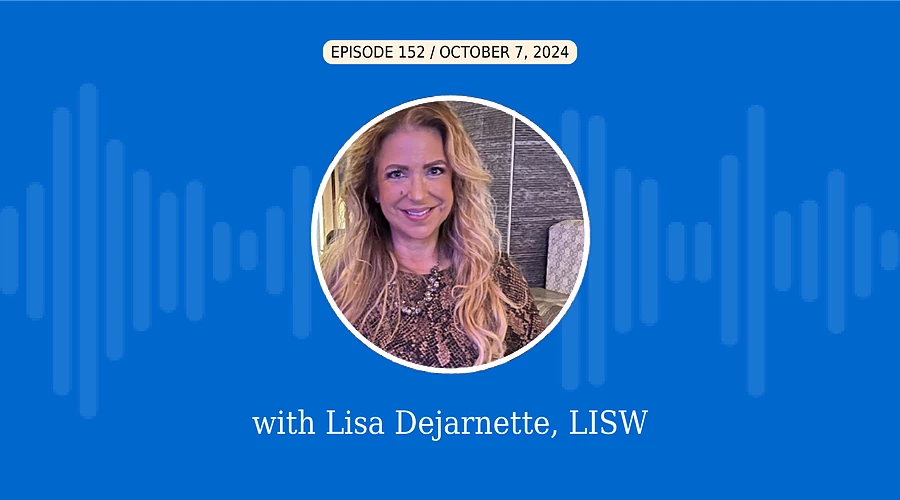
Understanding ADHD: Beyond Stereotypes and Stigma – Podcast
As we recognize ADHD Awareness Month, LifeStance provider Lisa Dejarnette shares her insights into the challenges faced by those with ADHD.

Navigating Adult ADHD – Podcast
In this episode, Cora Elkerton candidly shares her personal journey of being diagnosed with ADHD as an adult.

Related Services & Conditions

ADHD (Attention Deficit Hyperactivity Disorder) ADHD
Learn about ADHD (Attention-deficit/hyperactivity disorder), how symptoms vary in adults, women, and children, and how ADHD is diagnosed.

Therapy Groups

Introduction to Mindfulness Group
This group introduces a mindfulness‑based approach to mental health through present‑moment awareness and grounding practices.

12 week Adult ADHD CBT Skills Group
Join us to learn practical strategies for managing ADHD symptoms using cognitive-behavioral techniques.

Adult ADHD CBT Skills Group
Join us to learn practical strategies for managing ADHD symptoms using cognitive-behavioral techniques.