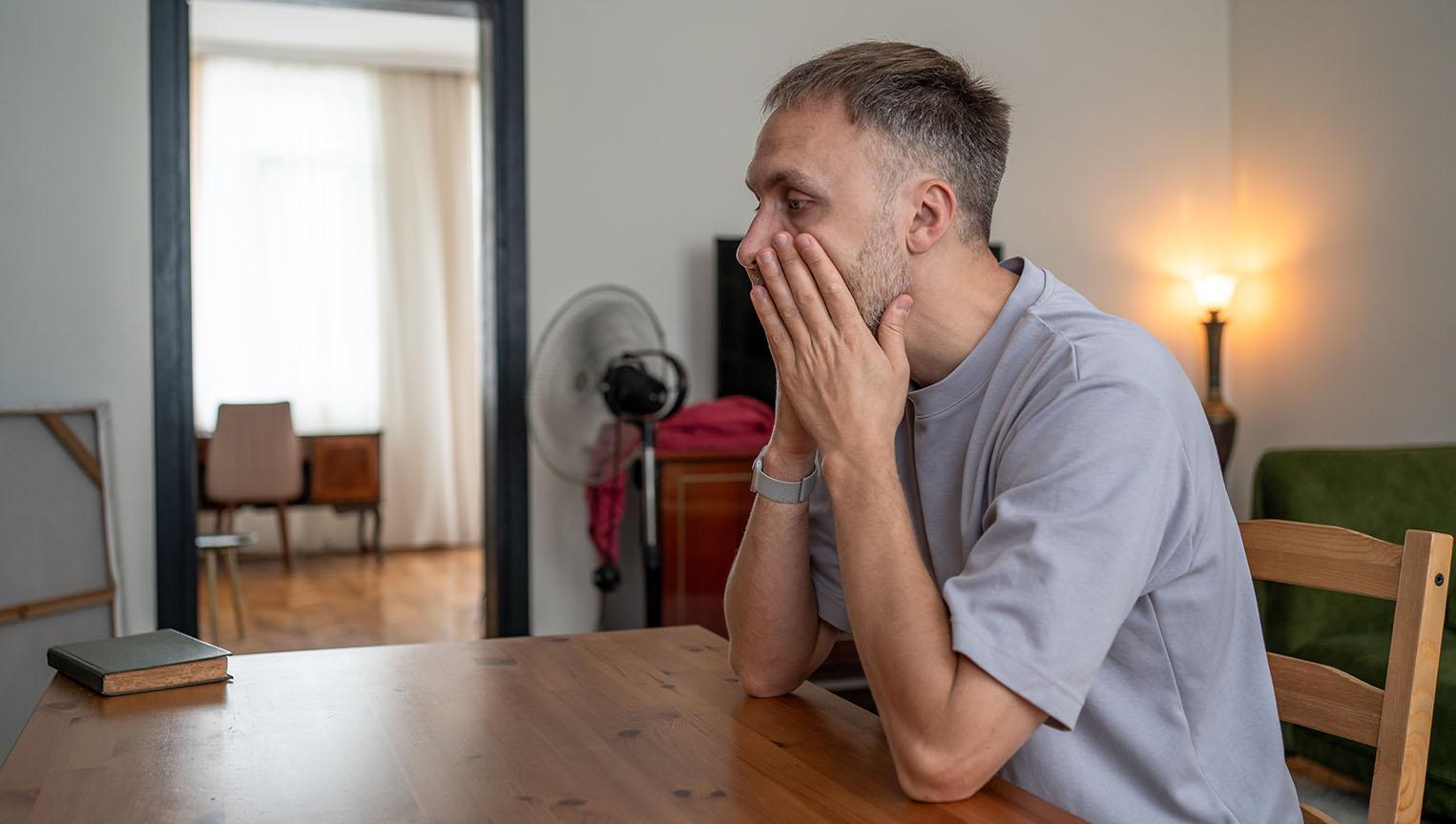
Anxiety disorder treatment helps people learn effective coping strategies, reduce the impact of anxiety symptoms on daily life, and improve overall well-being and quality of life.
Table of Contents
What are Anxiety Disorders?
Experiencing occasional anxiety is a normal part of life. However, people with anxiety disorders frequently have intense, excessive, and persistent worry and fear about everyday situations. Often, anxiety disorders involve repeated episodes of sudden feelings of intense anxiety and fear or terror that reach a peak within minutes (called panic attacks).
These feelings of anxiety and panic interfere with daily activities and are difficult to control, out of proportion to the actual danger, and can last a long time. You may avoid places or situations to prevent these feelings. Symptoms may start during childhood or the teen years and continue into adulthood.
Types of Anxiety Disorders
Anxiety disorders are the most common type of mental disorders and affect nearly 30% of adults at some point in their lives. Below includes statistics related to anxiety disorders for adults in the U.S.
Population:
Specific Phobia: 8% – 12%
Panic Disorder (also known as panic attacks): 2% – 3%
Agoraphobia: 1% – 2.9% in adolescents and adults worldwide
Separation Anxiety Disorder: 0.9% – 1.9%
How Anxiety is Diagnosed
If someone suspects they may have anxiety, taking a self-evaluation questionnaire can be a helpful first step in identifying their symptoms and understanding whether further assessment by a professional may be necessary.


Take Our Quick & Easy Anxiety Questionnaire
Persistent and uncontrollable anxiety that disrupts your daily life could be a sign of generalized anxiety disorder (GAD). Take this assessment to identify symptoms commonly associated with anxiety and understand if you may be suffering from an anxiety disorder.
Questionnaire Disclaimer
This health survey is provided for informational and educational purposes only. It is not a substitute for professional medical advice, diagnosis, or treatment. Always consult a qualified healthcare provider regarding any personal health concerns. Completion of this survey does not establish a patient-clinician relationship. Responses are NOT monitored.
If you are thinking of harming yourself or others please call toll-free 9-8-8 for the National Suicide & Crisis Lifeline (available 24/7), 9-1-1 or go to your nearest emergency room.
By proceeding, you acknowledge this disclaimer and agree that this tool is for general awareness only. You assume all risks associated with its use. The survey administrators are not liable for reliance on its content.
The above health survey is based on the Patient Health Questionnaire GAD-7.
The PHQ-9 and GAD-7 are Pfizer products. PHQ Copyright © 1999 Pfizer Inc. No permission required to reproduce, translate, display or distribute.
Diagnosing anxiety begins with a detailed clinical interview. Your healthcare provider will ask about your symptoms, medical history, and personal background. They may explore when your symptoms started, what situations trigger them, and how they affect your daily life. To better understand the severity and impact of your symptoms, they might use questionnaires, rating scales, or other standardized tools.
Your clinician may also recommend a medical evaluation to rule out physical conditions that can cause or worsen anxiety, such as thyroid disorders or heart problems. Blood tests are commonly used to check for health issues that can mimic anxiety symptoms.
Once all relevant information is gathered, your clinician will share their diagnostic impressions with you and work with you to create a treatment plan tailored to your specific needs.
Treatment via Therapy
Types of Therapy for Treating Anxiety Disorder
Cognitive Behavioral Therapy (CBT) is a widely used and evidence-based therapy for anxiety disorders. It focuses on identifying and modifying negative thought patterns and behaviors that contribute to anxiety. CBT helps individuals develop coping strategies, challenge irrational thoughts, and gradually confront feared situations through exposure therapy.
Acceptance and Commitment Therapy (ACT) aims to help individuals accept their anxious thoughts and feelings rather than trying to control or eliminate them. It emphasizes mindfulness and encourages individuals to identify their core values and take actions aligned with those values, even in the presence of anxiety.
Dialectical Behavior Therapy (DBT) was originally developed to treat borderline personality disorder but has also shown effectiveness in addressing anxiety disorders. It combines cognitive-behavioral techniques with mindfulness and distress tolerance skills to help individuals regulate their emotions and cope with anxiety.
Therapies such as Mindfulness-Based Stress Reduction (MBSR) and Mindfulness-Based Cognitive Therapy (MBCT) incorporate mindfulness practices to increase awareness of the present moment and reduce reactivity to anxious thoughts and sensations.
Exposure Therapy involves gradually and systematically exposing individuals to feared situations or objects, allowing them to confront their fears in a controlled and supportive environment. This helps to reduce anxiety and desensitize the individual to the feared stimuli.
Psychodynamic Therapy explores the underlying psychological and emotional factors contributing to anxiety. It aims to uncover unconscious conflicts and patterns of behavior that may contribute to anxiety symptoms.
Group Therapy provides a supportive environment where individuals with anxiety can share experiences, learn from one another, and practice new skills under the guidance of a therapist. Support groups offer peer support and a sense of belonging.
Treatment via Medication
Types of Anxiety Medication
Medications are sometimes used to reduce symptoms commonly associated with anxiety disorders such as panic attacks, stress, worry, and depression. Several types of medication are prescribed to manage symptoms of anxiety, including:
Selective Serotonin Reuptake Inhibitors (SSRIs)
Common Brand Names: Zoloft®, Celexa ®, Lexapro®, Prozac®, Paxil®
Common Generic Names: Sertraline, Citalopram Escitalopram, Fluoxetine, Paroxetine
SSRIs are a class of antidepressants commonly used to treat anxiety disorders. They function by blocking the reabsorption (reuptake) of serotonin by the brain, leaving more free serotonin for the brain to use to improve mood. SSRIs are often considered the first-line treatment for anxiety disorders due to their reputation for effectiveness and relatively favorable side effect profile.Serotonin and Norepinephrine Reuptake Inhibitors (SNRIs)
Common Brand Names: Effexor®, Cymbalta®
Common Generic Names: Venlafaxine, Duloxetine
SNRIs are a class of antidepressants commonly used to treat anxiety disorders. Like SSRIs, they increase levels of serotonin, but they also boost norepinephrine by preventing both neurotransmitters from being reabsorbed in the brain. This dual mechanism is thought to enhance their effectiveness in relieving anxiety symptoms.Benzodiazepines
Common Brand Names: Ativan®, Valium®, Klonopin®, Xanax®
Common Generic Names: Lorazepam, Diazepam, Clonazepam, Alprazolam
Benzodiazepines aim to help reduce anxiety by enhancing the effects of the neurotransmitter GABA, which promotes both mental calmness and muscle relaxation. These medications are typically recommended for short-term use only, as long-term use can lead to tolerance, dependence, and other risks. In some cases, benzodiazepines may be prescribed alongside a longer-term treatment, such as an SSRI or SNRI, in an effort to provide rapid relief while the other medication takes effect.Tricyclic Antidepressants (TCAs)
Common Brand Names: Elavil, Pamelor, Tofranil, Anafranil, Sinequan, Silenor
Common Generic Names: Amitriptyline, Nortriptyline, Imipramine, Clomipramine,
Doxepin: Elavil, Pamelor, Aventyl, Tofranil, Anafranil, Sinequan TCAs are an older class of antidepressants that can also be effective in treating certain anxiety disorders. TCAs function by increasing levels of serotonin and norepinephrine in the brain. Because they can cause more side effects and require more careful monitoring, TCAs are often used when newer medications like SSRIs or SNRIs are not helpful or well tolerated.Buspirone
Brand Name: BuSpar
Common Generic Names: Buspirone
Buspirone is an anti-anxiety medication that increases serotonin, though it works differently from other common treatments like SSRIs or SNRIs. Unlike benzodiazepines, buspirone is not thought to be habit-forming, likely making it a safer option for long-term use. However, it may take several weeks to feel its full effects and is generally not used for acute anxiety or panic attacks.Beta-Blockers for Anxiety
Brand Names: Inderal, Tenormin
Generic Names: Propranolol, Atenolol
Beta-blockers are typically used to treat high blood pressure, but they can also be helpful for managing the physical symptoms of anxiety. Beta-blockers are often taken just before stressful situations and can decrease symptoms like racing heart, shaking, or sweating. Beta-blockers are not thought to be habit forming and can be used on an as-needed basis, particularly for performance anxiety.Gabapentin and Pregabalin
Brand Names: Neurontin, Lyrics
Generic Names: Gabapentin, Pregabalin
Gabapentin and pregabalin are medications that were originally developed to treat seizures and nerve pain. Now, they are sometimes prescribed off-label for anxiety, particularly when other treatments haven’t been effective or are not well tolerated. Gabapenin and pregabalin function by calming overactive nerve signals in the brain, which may help reduce anxiety symptoms.
Treatment for Children
Anxiety is a normal part of childhood, but when fears and worries become intense, persistent, or interfere with daily activities, it may be a sign of an anxiety disorder. Common types include generalized anxiety disorder (GAD), separation anxiety, social anxiety, and specific phobias.
Anxiety can affect a child's thoughts, behaviors, and daily functioning in unique ways. Sometimes, children express anxiety through physical symptoms (like stomachaches or headaches), difficulty sleeping, avoidance of certain situations, or irritability.
Effective treatment often involves a combination of cognitive behavioral therapy (CBT)—which aims to help children learn to recognize and manage anxious thoughts—and parental support strategies that aim to create a safe, reassuring environment.
Medication is sometimes recommended alongside therapy, particularly for moderate to severe anxiety. Early intervention, individualized care, and consistent emotional support are key to helping children manage anxiety and build long-term resilience.
References
American Psychiatric Association. Anxiety Disorders. In: Diagnostic and Statistical Manual of Mental Disorders. 5th ed. Text Revision. American Psychiatric Association; 2022: pp. 215-231.
What are Anxiety Disorders? (June 2023). American Psychiatric Association. https://www.psychiatry.org/patients-families/anxiety-disorders/what-are-anxiety-disorders
Anxiety Disorder Treatments FAQ
Everyone worries, but when you worry constantly and that worry brings up anxiety that feels overwhelming, that is a good indicator that you may be dealing with more than just a normal amount of anxiety
Yes, it can. Anxiety can show up in physical ways such as weakness or dizziness, shortness of breath, chest pain, and heart palpitations. It is important to see a medical doctor to make sure that these symptoms are not the result of any underlying medical conditions.
Generally, GAD does not go away without treatment. Psychotherapy, coping skills, and medication have been found to be the most effective treatments for GAD.
GAD cannot be detected via bloodwork or imaging. Instead, it is diagnosed based on information gathered during a clinical interview.
Yes, but any treatment plan can have risks for pregnant women, so it is best to always consult with your doctor before beginning any kind of physical or mental health routine. Many treatments are available that are safe and effective during pregnancy. It is important to note that untreated anxiety itself can pose some increased risks during pregnancy, so your mental health professional will work with you closely to weigh out these potential risks vs benefits.
RELATED CONDITIONS



Related Blogs