Services
Mobile Hero Image - AmyLopatin_DaniMartineck_TianRose_Mack

Play Therapy

Play therapy aims to help children express their emotions, improve their communication abilities, and learn to solve problems.

Table of Contents

What is Play Therapy?

Play therapy is a form of treatment that aims to help children who are experiencing social, emotional, behavioral, and relationship disorders to express their emotions, improve their communication abilities, and learn to solve problems.

This kind of therapy honors a child’s unique developmental level and looks for ways of helping by observing and interacting with how they play, which is the natural expressive “language” of children. Play therapy is most often used for children ages 4-12, though it can also be used in varying forms with teenagers and adults, as well as in therapy involving both children and their parents or caretakers.

Play therapy is recognized as an evidence-based practice by professional organizations for anxiety, disruptive behaviors, and victims of abuse. Research shows that play therapy can be effective in treating a variety of mental health and behavior issues, including anxiety, depression, trauma, and difficulties in relationships.

Why is Play Therapy Used?

Children often have trouble putting their thoughts into words, but they often act out their feelings during play. A child who has lost a loved one may not be able to express that grief directly, but they might talk about missing someone while playing with a puppet, for instance. This natural expression gives the therapist an opportunity to help explore and resolve that issue. The overarching goal of play therapy is to decrease symptomatic behaviors and improve a child’s overall ability to function.

Some common issues addressed in play therapy include:

Types of Play Therapy Techniques

There are as many ways to engage children in play therapy as there are ways to play. Therapists use toys, art, storytelling, puppets, music, dance, and other forms of play to engage children and free them to express themselves. Some specific types of play therapy exercises include:

Role-Play
The therapist role-plays situations the child is anxious about, such as the first day of school.

Color Your Life
A therapist asks the child to draw their life, using colors to represent feelings.

Plush Doll Play
Dolls and plush toys can be used to observe how children comfort and soothe themselves.

Toy Telephone Play
A toy phone can be used for conversations that a child may otherwise feel uncomfortable having.

Magic Wand Play
The child is given a magic wand and makes wishes related to their real-life problems.

Sand Tray Therapy
This type of play therapy uses sand and various small toys to create an outlet for a child to express themself non-verbally. Through creating scenes and playing with figures, sand tray therapy can allow the child to identify their experiences, challenges, and memories.

Self-Control Games
The therapist plays a game like “Simon Says” to promote paying attention and self-control.

Common Benefits of Play Therapy

Play therapy provides a supportive, controlled therapeutic environment in which a child can experience full acceptance, empathy, and understanding from their therapist and process inner experiences and feelings through play.

There are many different ways that play therapy can benefit children, including:

  • Direct or indirect learning

  • Self-expression

  • Improved relationships

  • Forming healthy attachments

  • Releasing negative emotions

  • Reducing stress

  • Solving problems creatively

  • Building self-esteem

Can Play Therapy Happen Online?

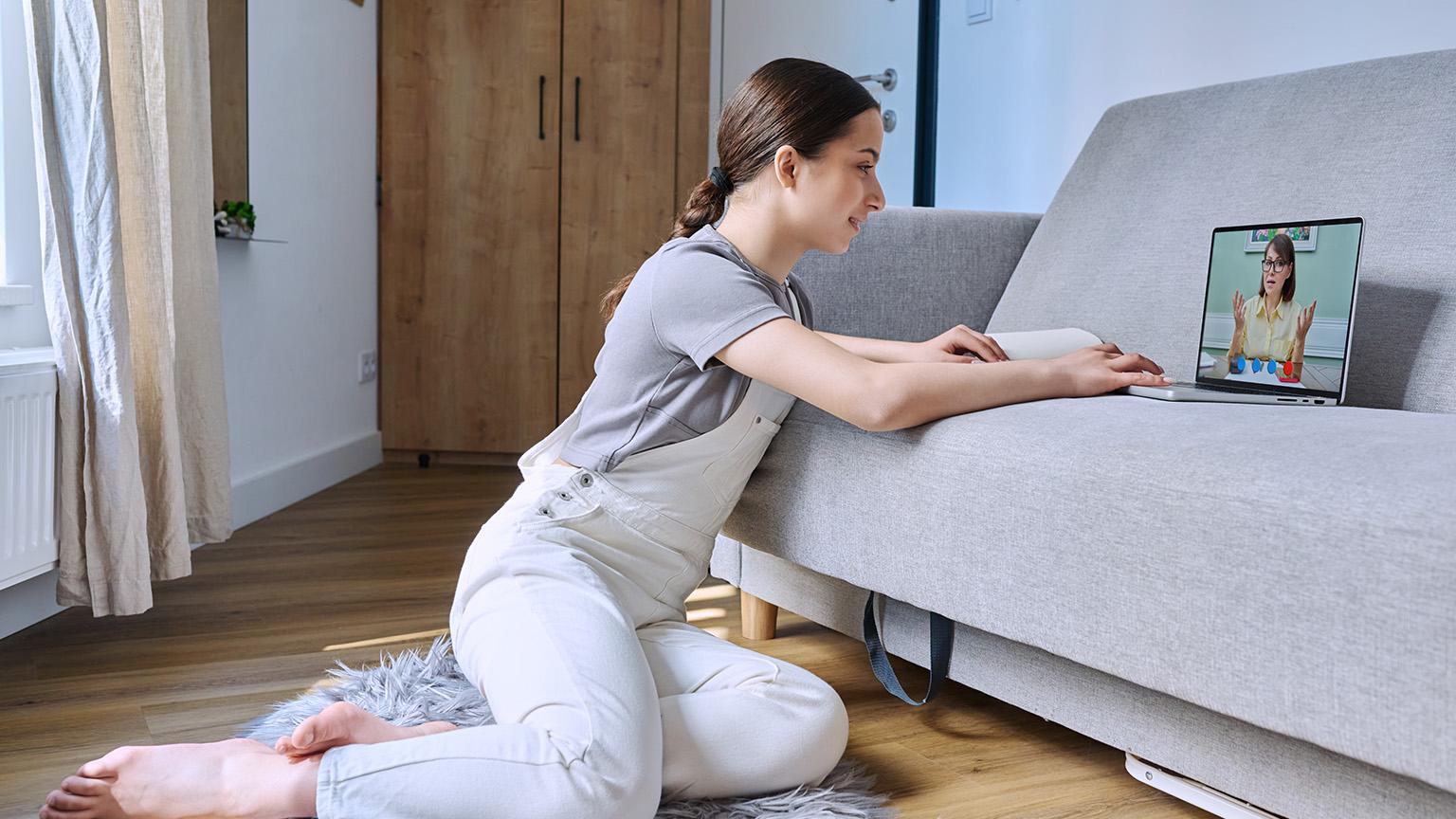
Play therapy can often be conducted online. In these cases, instead of going to an office, children and caregivers engage in therapy from their home or another location that works for the family. In virtual play therapy, children use the items they have in their own environment, such as toys, dolls, or art materials to interact with their therapist.

There are some potential advantages of online play therapy:

  • Children may feel more comfortable at home than in a professional office space.

  • Youth have grown up with technology, so talking online may be second nature.

  • There can be more flexibility around scheduling appointments.

  • Transportation to and from the appointment is not needed.

References

Gupta N, Chaudhary R, Gupta M, Ikehara LH, Zubiar F, Madabushi JS. Play Therapy As Effective Options for School-Age Children With Emotional and Behavioral Problems: A Case Series. Cureus. 2023 Jun 7;15(6):e40093. doi: 10.7759/cureus.40093. PMID: 37425518; PMCID: PMC10328142.

Related Blogs

Nov 05, 2026 | 9 MIN READ
Chronic procrastination isn't laziness or a character flaw. It's a long-running struggle to manage difficult emotions, and it can quietly affect your work, health and relationships. This therapist-informed guide explains what causes it, how active and passive procrastination differ and which treatments can help, so read on to start breaking the cycle today.
Oct 30, 2026 | 7 MIN READ
Therapy during pregnancy can provide emotional support for challenges such as stress, anxiety, depression, and the many changes that can accompany the transition to parenthood, supporting well-being for both expectant parents and their babies. Learn more about the benefits of prenatal therapy and how to find a therapist who can support your mental health throughout pregnancy.
Sep 25, 2026 | 6 MIN READ
Finding mental health care can be challenging when cost, provider shortages, location, or insurance stand in the way. Virtual care, community resources, insurance directories, and provider-matching tools can make it easier to connect with the right support, no matter where you live.
Safety Plan for Suicide Ideations: Tips from Experts
Sep 03, 2026 | 9 MIN READ
Suicide, which remains one of the leading causes of death in the United States, is a crisis that touches millions of lives each year. According to the U.S. Centers for Disease Control and Prevention (CDC), in 2021 alone, 48,000 people—nearly twice the capacity of Madison Square Garden—died by suicide. In the same year, 12.3 million adults seriously considered suicide, 3.5 million made a plan to carry out suicide, and 1.7 million attempted to end their lives. Despite accounting for 50% of the population, men account for nearly 80% of suicides. The elderly, especially those aged 85 and older, have the highest suicide rates, followed by those between the ages of 75 and 84. Amid these grim statistics, suicide prevention efforts have proven to be effective, with significant breakthroughs emerging in recent years. In 2022, a major step was taken towards suicide prevention when the national suicide helpline phone number was shortened to 988. This made a significant impact, but more can be done in suicide prevention by emphasizing the importance of a suicide safety plan. We asked three LifeStance mental health care experts Jillian Bace, LCSW, Dr. Melissa Cobbs, PhD, LCMHCS, LCAS, CCS, and Corinne Melling, LMFT to explain the purpose of a suicide safety plan for suicidal thoughts, who can benefit from one, and how to create one.
Mental health treatment outcomes stayed consistent across all four U.S. regions according to LIfeStance analysis
Aug 06, 2026 | 6 MIN READ
Rural Americans carry a heavier mental health burden than people in big cities due to higher rates of depression and suicide, yet they’re far less likely to reach a provider who can help. That gap raises an uncomfortable question: when care is harder to reach, do mental health treatments also work less well for the people who live in underserved parts of the country? A LifeStance Health analysis of more than 139,000 LifeStance patients points to a reassuring answer. When we looked at treatment results across every region of the U.S., including regions with large rural populations, improvement stayed remarkably consistent. The evidence suggests there's a challenge in reaching care, not benefiting from it once you’re in it.
Psychologist or coach conducts online consultation at home office, remote work at home.
Aug 04, 2026 | 7 MIN READ
When Miley Cyrus opened up about using EMDR to work through anxiety and trauma, she joined a growing list of public figures — Prince Harry and Sandra Bullock among them — crediting the same unusual-sounding therapy. That visibility has helped push eye movement desensitization and reprocessing (EMDR) from a niche trauma treatment into one of the most talked-about therapies today. But as demand has grown, so has a practical question: does it still work when the session happens over video, from your own living room? The short answer is that a growing body of research suggests it does, and for many individuals, the virtual version removes the exact barriers that kept them out of the office in the first place. EMDR has spent decades earning its place as a frontline trauma and PTSD treatment, and LifeStance clinicians provide EMDR both in-office and online (if you’re new to it, LifeStance offers a full explanation of how EMDR works). This article focuses on how the method adapts to video, what the evidence shows, and who each format fits best.

Find Mental Health Care Clinics & Services Near You