Mikka McGee is a graduate from Eastern Kentucky University with a Bachelor of Social Work and from University of Louisville with a Master of Science in Social Work. She is also a graduate from Arizona State University with a Master...
How Hollywood and Social Media Got Dissociative Identity Disorder All Wrong

Becoming a therapist has always felt like a calling for me. Since high school, I’ve been fascinated by mental health and human behavior. My own experiences with anxiety and depression led me to pursue this path, and over time, I realized I had a natural ability to make people feel comfortable and understood. It became clear that this was the work I was meant to do, and its been an incredible journey ever since.
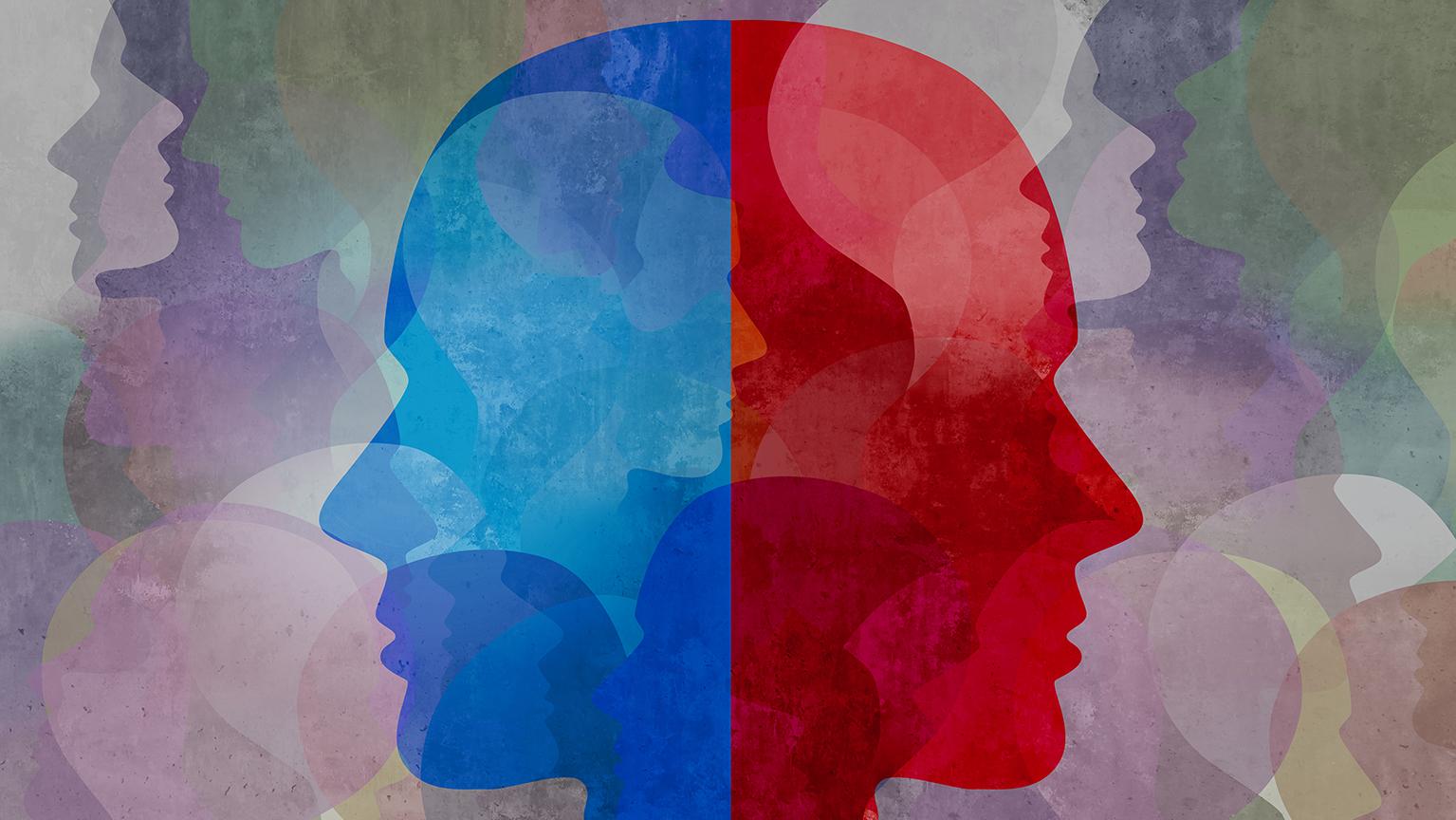
Today, I want to talk about a complex and often misunderstood condition: Dissociative Identity Disorder (DID). Previously known as Multiple Personality Disorder, DID is one of the most severe dissociative disorders. As the name suggests, dissociation involves a disconnect—a sense of being removed from the present moment or feeling as though things aren’t real. While this isn’t the same as psychosis, it can be profoundly unsettling.
Unfortunately, the concept of having multiple personalities has been sensationalized and exploited by Hollywood, leading to inaccurate portrayals in movies, television, and pop culture. This has not only spread misinformation but also reinforced stigma around this complex and deeply challenging disorder, reducing it to a dramatic plot device rather than an authentic representation of lived experiences.
What Hollywood Gets Wrong About Dissociative Identity Disorder (DID)
When DID is depicted in films, it’s often sensationalized or used as a plot device, leaving viewers with a skewed understanding of the disorder. The symptoms of DID—multiple distinct identities or “alters,” memory gaps, and a sense of disconnection from reality—can be disorienting and deeply challenging for those living with it. However, in Hollywood, it’s usually portrayed as something far removed from real DID.
Take Identity (2003), for example. The film uses DID as a dramatic twist, where a group of people at a motel turn out to be different ‘alters’ fighting for control within a single person. Or Split (2016), where the main character abducts girls, with his identities dramatically shifting between 23 personalities and appearances. It’s over-the-top and plays into the stereotype of an “evil” alter, which is wildly inaccurate and stigmatizing.
It’s over-the-top and plays into the stereotype of an “evil” alter, which is wildly inaccurate and stigmatizing.
Even classics like Psycho (1960) and Fight Club (1999) perpetuate harmful tropes. Norman Bates in Psycho embodies his mother as a separate personality, while Fight Club paints an alternate personality as a terrorist mastermind. While these films may be entertaining, they fail to capture the reality of living with DID and often contribute to the stigma surrounding the condition.
DID is not a superpower—it’s a deeply challenging condition born from severe, ongoing trauma. For those who genuinely live with DID, their experience is anything but glamorous or empowering.
The Reality of Living with Dissociative Identity Disorder
Living with Dissociative Identity Disorder (DID) is a daily struggle that few can truly comprehend. It’s not just about having distinct identities or “alters”; it’s about navigating a reality where time is often lost, memories feel fragmented, and life can seem disconnected. For those with DID, the condition is not a choice or a quirk—it’s a response to profound trauma and a complex mechanism the mind uses to survive.
DID often develops from severe, persistent trauma, particularly in childhood. The mind “fractures” into distinct identities, or alters, each with a specific role to help the individual cope. For example, one alter might take on the trauma, while another acts as a protector. While these roles serve a purpose, they can make daily life incredibly challenging.
One of the most disorienting aspects of DID is the experience of losing time. Many individuals report missing chunks of their day and learning from others about behaviors they don’t remember. Imagine the confusion and anxiety of hearing about actions you have taken but have no recollection of—it’s a reality that can leave those with DID feeling deeply unsettled and out of control.
The people I’ve worked with who have DID often express that it’s not something they would ever wish to have. It creates significant challenges in their relationships, work, and sense of self. Each alter plays a role, but the overall experience often leaves individuals feeling disconnected from themselves and their world, making DID one of the most difficult mental health conditions to live with.
The Role of Social Media and Trending Behaviors
In recent years, social media has played a significant role in shaping public perceptions of mental health conditions, including Dissociative Identity Disorder (DID). Unfortunately, the way DID is often depicted online is far from accurate—and can be deeply harmful to those who genuinely live with this condition.
It’s not uncommon to see social media creators putting on what can only be described as a performance, falsely claiming to have DID or showcasing alters in a way that feels more like entertainment than reality. While some of these individuals may be dealing with genuine mental health challenges, the way DID is portrayed in these contexts often misses the mark entirely. As someone who has worked with individuals navigating the complexities of DID, I can say with certainty: these depictions do more harm than good.
As a society, we need to move away from using mental health conditions like DID as fodder for sensationalized stories or entertainment.
Social media's sensationalized portrayals perpetuate stigma and misinformation. People with DID often face skepticism about the legitimacy of their condition, and these inauthentic representations make it even harder for them to be taken seriously. These portrayals can trivialize a complex mental health condition, turning it into a trend or a source of fascination, rather than fostering understanding and empathy.
As a society, we need to move away from using mental health conditions like DID as fodder for sensationalized stories or entertainment. While I can appreciate a well-crafted plot, it’s important to recognize the impact these depictions have on public perception and the individuals living with these conditions.
For those navigating life with DID, the disorder is not a twist ending or a superpower. It’s a daily struggle that demands immense strength and resilience. We owe it to them to represent their experiences with accuracy and empathy—both in the media and in our everyday conversations about mental health.
By shifting the narrative, we can reduce stigma and foster a deeper understanding of what it truly means to live with Dissociative Identity Disorder.
Get Expert Mental Health Insights & Tips
Dissociative Identity Disorder (DID), formerly known as Multiple Personality Disorder, is a complex mental health condition that has been exploited by Hollywood for dramatic plot lines and sensationalized depictions.
Most movies and shows inaccurately portray DID, perpetuating harmful stereotypes and stigma, with only a few exceptions attempting a more accurate depiction.
Social media creators often follow Hollywood’s lead, and while some may have genuine struggles, many are simply putting on a performance, further stigmatizing and trivializing the challenges faced by those who truly live with DID.
Authored By
Content Notice
Near You