

Searching for TMS therapy in Jacksonville, Florida?
Find a TMS Clinic in Jacksonville, Florida that offers Transcranial Magnetic Stimulation (TMS) treatment. TMS is FDA-cleared for the treatment of depression and in research settings it is being explored as a treatment for other conditions, including generalized anxiety disorder, addiction, and chronic pain.
TMS Treatments At LifeStance

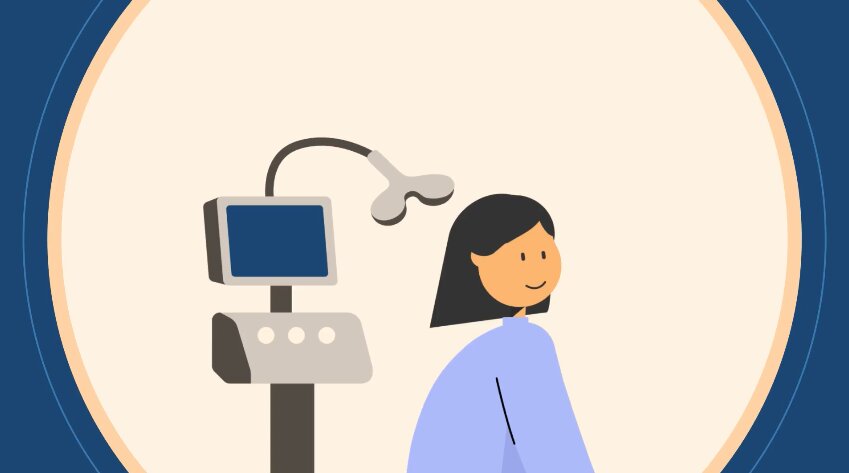

Find a TMS Therapy Provider in Jacksonville, Florida
 Filter Provider Results
Powerful Results


*Carpenter LL, et al. Depress Anxiety, (2012)

Schedule An Appointment

TMS Landing Page
"*" indicates required fields

Find a TMS Clinic Near You
We currently offer TMS treatments in multiple Florida offices. Check for a location near you.
Schedule An Appointment Call Now: 844-875-7240
TMS Therapy FAQ
Transcranial magnetic stimulation (TMS) is a non-invasive brain stimulation technique used to treat individuals with certain psychiatric conditions. It is FDA-cleared for the treatment of depression. In research settings it is being explored as a treatment for other conditions including generalized anxiety disorder, addiction, and chronic pain.
Some parts of the brain work differently in psychiatric conditions such as depression, and TMS delivers targeted therapy to these brain regions. TMS is a medical device that generates brief magnetic pulses that non-invasively stimulate the underlying brain region. When pulses of TMS are delivered repetitively, this is called repetitive, rTMS.
You get to relax in a comfortable reclining chair. You will feel a tapping sensation on the front part of the left side of your head. Individuals perceive the pulses differently, and the clinician can make adjustments so that the individual is more comfortable.
Yes, the individual needs to come 5 days a week for 6 to 8 weeks and possibly 3 additional weeks to slowly step down the treatment when required by insurance. A typical total of treatments is 36.
A single TMS session will last 20 to 30 minutes, based on various treatment parameters. A course of treatment for depression usually consists of 30 to 36 treatments over 6 weeks, although this can vary depending on an individual’s response. While occasional 1- to 2-day breaks from treatment are understandable, breaks of 10 days or more can decrease treatment response. Individuals can continue with all life activities during treatment, including driving and working.
On average, 58% of individuals respond to TMS, (i.e., their depression symptoms are cut in half) and 37% of individuals go into remission (i.e., no depression symptoms). These response rates are in individuals who have not seen a benefit from two or more antidepressant medications.
TMS is a treatment consideration for anyone whose depression has not responded to medication plus psychotherapy. You cannot have TMS if you have metallic objects or certain medical implants in your head. Dental fillings are okay.
Your provider/technician will work to help you get the best results. Keep taking medications as prescribed. Talk therapy and lifestyle changes also help with getting the best results.
No, the procedures for TMS and ECT are very different. In particular, the way they stimulate brain cells is different. Also, TMS does not require general anesthesia or intentional production of a seizure and is not associated with memory loss. Finally, TMS does not limit an individual’s ability to work, go to school, or drive.
Commercial health insurance generally considers TMS medically necessary for individuals that do not have contraindications to treatment and meet criteria for difficult-to-treat depression. Individuals are provided with an out-of-pocket-cost estimate prior to initiating treatment.
Our TMS machines include both NeuroStar® and Magstim® TMS systems—two of the most trusted and FDA-cleared technologies in the field of transcranial magnetic stimulation. These devices allow us to tailor treatments based on an individual’s need.
TMS is generally a well-tolerated procedure with few side effects. The most common side effect is scalp irritation underneath the magnet. Another common side effect is headaches. Minor treatment adjustments can minimize these side effects. TMS is free from side effects caused by many antidepressants such as gastrointestinal upset, sexual dysfunction, weight gain, dry mouth, or sedation. The most serious side effect is seizures, but the risk of seizure is exceedingly low.
Carpenter, et al. Transcranial magnetic stimulation (TMS) for major depression: a multisite, naturalistic, observational study of acute treatment outcomes in clinical practice. Depress Anxiety. 2012 Jul;29(7):587.
