

By the age of 16, more than two-thirds of children report experiencing at least one traumatic event.
Table of Contents
What is Childhood Trauma?
Children who are exposed to one or more traumatic events over the course of their lives can develop childhood trauma or what’s called traumatic stress – a series of persistent symptoms and reactions that have a negative impact on everyday functioning.
A traumatic event is any frightening, dangerous, or violent encounter (experienced or witnessed) that poses a perceived threat to a child’s life or that of their caregivers. Various trauma types include events such as domestic violence, physical or sexual abuse, neglect, bullying (cyber/ in person), unexpected death of a loved one, natural disaster, auto accident or school shooting.
Telling the Difference Between Upset and Trauma in Children
All children get upset, but the difference between reactions to everyday stressors and a child’s traumatic stress reactions is that it interferes with their daily life and has a negative impact on their social, emotional and cognitive functioning.
For very young children it is common to see a sudden regression in previously acquired skills in the areas of toileting, feeding, dressing and sleep.
Signs of Traumatic Stress in Children
Separation Anxiety (i.e., clinginess)
School Avoidance/ Refusal
Repetitive play or behavior (trauma re-enactment)
Increased irritability / Tantrums
Regressed Speech: baby talk or animal noises
Acting helpless & withdrawn
Diurnal/ Nocturnal Enuresis (daytime & nighttime wetting)
Appetite Disturbance (over/under eating)
Sleep disturbance & nightmares (waking up in night)
Intense Fears or Sadness
Easily Startled
Unresolved Childhood Trauma in Adults
Unresolved childhood trauma can show up in many ways. Adults who experienced abuse as a child or teen often show signs of post-traumatic stress disorder (PTSD). This can include distorted self-perception, shame, fear, guilt, self-blame, humiliation, and chronic physical pain.
Adults dealing with PTSD from childhood trauma often struggle in their jobs, interpersonal relationships, and with their own mental health.
Signs of Traumatic Stress in Children
School Truancy and/or running away
Academic Decline & Behavior Problems
Poor Focus & Attention
Appetite & Sleep Disturbance (nightmares)
Alcohol & Drug Abuse
Social Isolation & Withdrawal
Risk Taking Behavior
Sexual Promiscuity & Abusive Relationships
Suicidal thoughts
Seeking Treatment for Childhood Trauma
Fortunately, the right therapy for childhood trauma can help children, teens, and adults find ways to heal and cope with the effects of traumatic childhood experiences. A trained therapist can utilize trauma sensitive treatments to help identify triggers and develop coping strategies to decrease long term effects of childhood trauma and improve functioning, all within a safe and supportive environment.
Evidence Based Treatments for Children, Teens and Adults
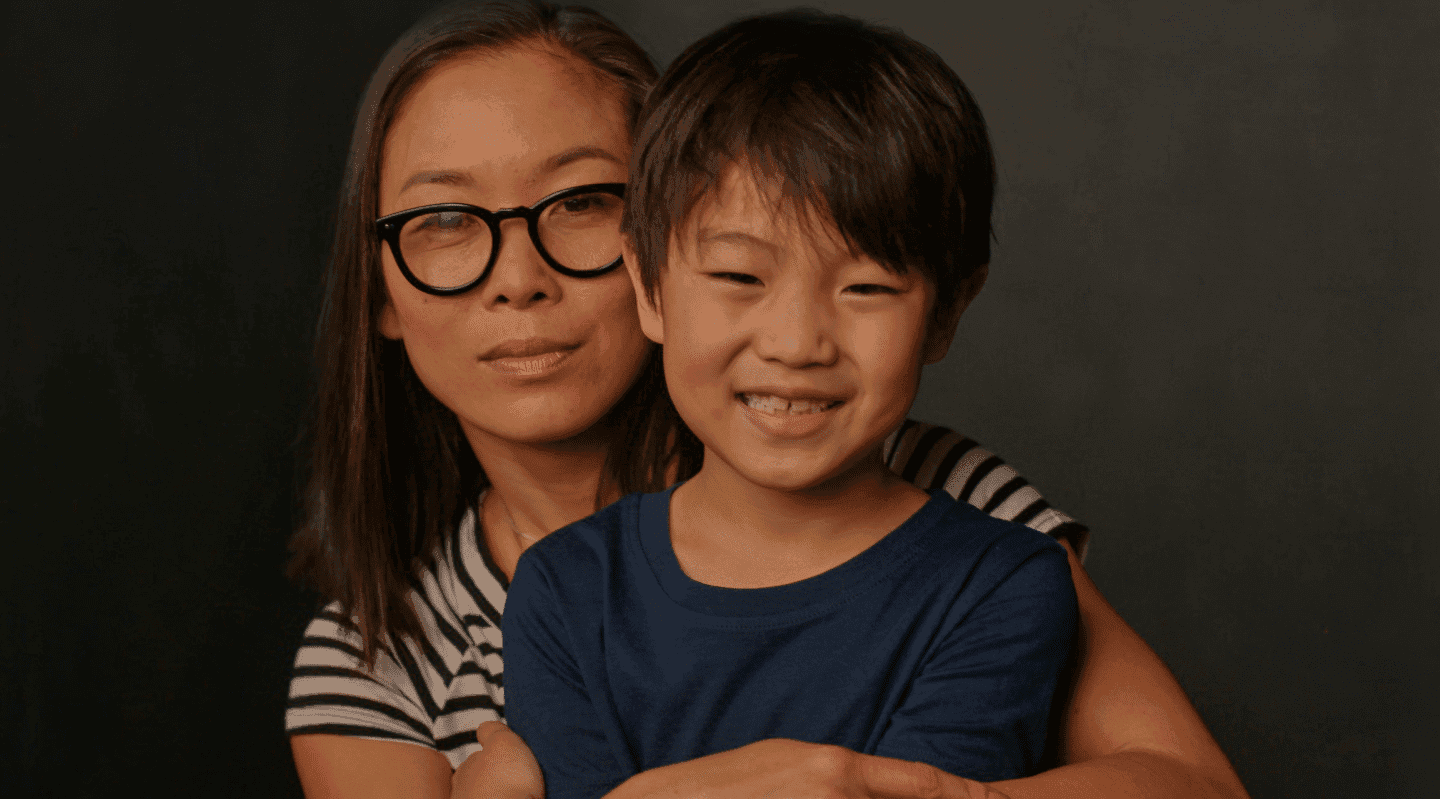
Trauma informed therapy is different for children than it is for teens and adults. Children need therapy that is specifically designed to accommodate their developmental level and cognitive ability so they may appropriately participate and fully benefit from the treatment process. The most common treatments for children:
Trauma-Focused Cognitive Behavioral Therapy (TF-CBT) is appropriate for children ages 3-18 and their non-offending caregivers. TF-CBT is a structured, short-term, skills- based treatment model that effectively reduces a range of emotional and behavioral symptoms. It incorporates trauma-sensitive cognitive behavioral techniques, humanistic principles, and family support that relies on the participation of trusted parents and caregivers.
Parent-Child Interaction Therapy (PCIT) is an evidence-based treatment appropriate for children ages 2-7 who have disruptive behavior disorders. PCIT is conducted through "coaching" sessions during which parent and child are observed in a playroom by a trained therapist behind a two-way mirror. Parents are provided live, in-the moment parenting guidance.
Play Therapy uses the therapeutic power of play to help children work through and re-channel overwhelming thoughts and feelings that they do not have the language to describe or explain. Within the therapeutic boundaries of a trusting relationship, various forms of play allow the child to explore and process their thoughts and feelings in a safe and contained way. Play Therapists often stay within the metaphor of play- i.e., taking on a character in the dollhouse or puppet theater to help children learn new ways to problem solve and cope. Play therapists may utilize or incorporate sand play/ sand tray therapy, various forms of art, music, theater, and dance/ movement.
Art Therapy uses creative expression to address and heal the effects of traumatic events. Art therapy can help foster self-esteem and self-awareness, reduce conflicts, and stress, and develop emotional resilience. Paint, drawing, sketching, clay, and sculpture are just a few forms often used. Art therapy is used with children and adults.
Therapeutic Treatments for Adults Suffering from Childhood Trauma
Through therapy, people can overcome childhood traumas and go on to lead happy and fulfilling lives. Common treatment therapies for teens and adults:
Cognitive Processing Therapy (CPT) is a cognitive behavioral therapy effective in reducing symptoms of PTSD that result from child abuse, combat, rape, and natural disasters. CPT is a 12- session manualized treatment protocol that helps patients learn how to identify, challenge, and reprocess unhelpful and inaccurate thoughts related to the trauma.
Narrative Exposure Therapy (NET) aims to treat individuals with complex and multiple incident trauma and focuses on embedding trauma exposure into an autobiographical timeline that helps put their life events into context. NET can be provided individually or in small groups.
Written Exposure Therapy (WET) is an evidence-based narrative treatment approach that has been shown to reduce PTSD symptoms in as few as five treatment sessions. It’s associated with low treatment dropout rates and has been found to be equally effective as other longer treatment protocols– all without the requirement to verbally process the details of the trauma.
Eye Movement Desensitization and Reprocessing (EMDR) is an 8- phase treatment that uses repetitive eye movements to repattern and reprocess unwanted and intrusive traumatic memories. During EMDR the patient attends to emotionally disturbing material in brief sequential doses while simultaneously focusing on an external stimulus. Therapist directed lateral eye movements are the most commonly used external stimulus but a variety of other stimuli including hand-tapping and audio stimulation are often used.
Prolonged Exposure Therapy (PE) is a 12-15 session exposure-based treatment that helps patients gradually process their trauma. Within the protocol in-vivo and imaginal exposure is used. This therapeutic approach helps individuals confront their trauma-related memories, fears, and feelings.
This content has been reviewed by Antoinette Harrington, Psy.D., Licensed Psychologist at LifeStance Health.
Childhood Trauma FAQ
According to the Substance Abuse and Mental Health Services Administration (SAMHSA), by the age of 16, more than two-thirds of children report experiencing at least one traumatic event.
More than 15% of child victims suffer two or more types of abuse.
90% of child victims are abused by a parent or someone they know and trust.
According to The National Child Traumatic Stress Network (NCTSN) and the National Children’s Alliance, Neglect is the most common single type of abuse with 3 in 5 of all victims.
Two-thirds of all cases handled by national Child Advocacy Centers involve sexual abuse.
1 in 4 girls and 1 in 13 boys under age 18 experience sexual abuse at the hands of an adult.
PTSD is a psychological condition that is diagnosed when an individual has a combination of symptoms that persist long after the traumatic event.
PTSD manifests differently in children and adults; however, often includes re-experiencing symptoms; flashbacks, nightmares, intrusive and unwanted thoughts or memories, avoidance of people, places or activities that remind them of the trauma, hyperarousal, or easy startle- reflex, irritability, or other alterations in mood (depression, anxiety) or negative thinking.
Yes, in most cases. Early detection and intervention are key for positive outcomes.
No. It is never too late to take the necessary steps to begin to heal the wounds of developmental trauma. Individual resiliency, the nature of support received immediately following a traumatic event, and access to trauma sensitive treatments for children are the best protective factors against long lasting impacts. Early onset, multiple forms of abuse and greater frequency of abuse is associated with more severe impairment throughout the lifespan.
The goal of trauma treatment is not to “forget” but to remember in a less intense way. To remember in a way that no longer impairs one’s ability to live a full, meaningful, and satisfying life. To remember and allow the upsetting thoughts and feelings to run their natural course so that the avoidance of them no longer maintain PTSD.
Kids are resilient, but it is important to recognize when a child needs professional help to recover from their trauma. Early intervention can prevent children from experiencing the ongoing effects of unresolved childhood trauma affecting adulthood.
Talk to someone who can help. LifeStance is your online resource for finding the right mental health professionals to deal with childhood trauma, and other related mental health issues.
Related Blogs
Childhood Trauma in the news. Read related articles, interviews, podcasts and more.