How TMS and Spravato Can Open the Door to Real Recovery

This content has been updated from the previous article published on June 10, 2025.

For years, depression was chalked up to a simple “chemical imbalance.” But today, science tells a much richer-and more hopeful-story.

Depression doesn’t just affect brain chemistry; it actually reshapes the brain itself. It reduces the size and function of areas that control emotion, memory, and decision-making. But here’s the good news: your brain is capable of healing. With the right tools and support, it can literally rewire itself.

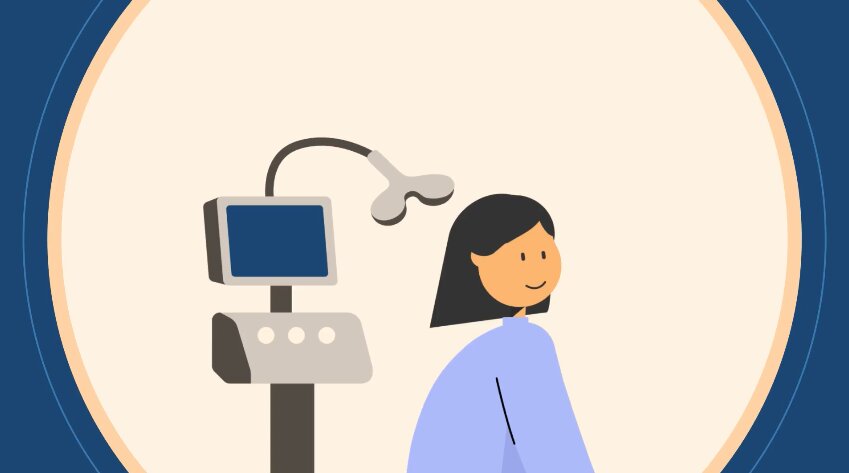
How TMS and Spravato Can Help with Depression Treatment

TMS (Transcranial Magnetic Stimulation) and Spravato (a nasal form of ketamine) are breakthrough treatments that are often able to jumpstart the brain’s ability to heal. They aim to stimulate a powerful brain chemical Brain-derived neurotrophic factor (BDNF)-think of BDNF like Miracle-Gro for the brain. BDNF helps grow new connections, supports healthy brain structure, and repairs areas damaged by stress and trauma.

tms-spravato-for-depression

More Than Just Medication: A Window for Change

When working properly, TMS and Spravato don’t just treat symptoms-they create a unique “learning window.” During this time, your brain is more open to change. When therapy is introduced during this window-especially therapies that teach emotional regulation, mindfulness, or new ways of thinking-those lessons get deeply embedded.

Successful TMS and Spravato treatments are like planting seeds in freshly tilled soil. The changes don’t just feel better in the moment; they last.

Why a Team Approach Works Best

Outcomes are typically better when medical treatments like TMS and Spravato are combined with therapy . Psychiatrists, therapists, and support teams work together to guide healing-not just at the chemical level, but in the way you think, feel, and live.

This is more than symptom relief. It’s brain rewiring. And it’s changing lives. According to recent LifeStance data , 73% of patients* experienced improvement in symptoms of depression with treatment.

References

  1. LifeStance Health. (2026, March 27). Measuring Outcomes of Depression and Anxiety Treatment: LifeStance Insights. https://lifestance.com/insight/depression-anxiety-treatment-outcomes/

Latest News From LifeStance Health

Authored By 

Rachel Dalthorp, MD
Head of Specialty Services

Rachel Dalthorp, MD, is the Executive Medical Director of Specialty Services at LifeStance Health, where she leads clinical programming and innovation in reproductive psychiatry, interventional psychiatry and the treatment of complex mental health needs. She is a board-certified psychiatrist through...