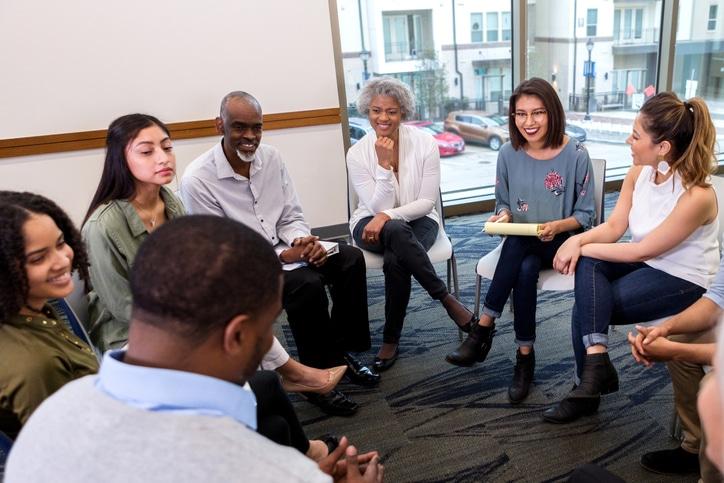
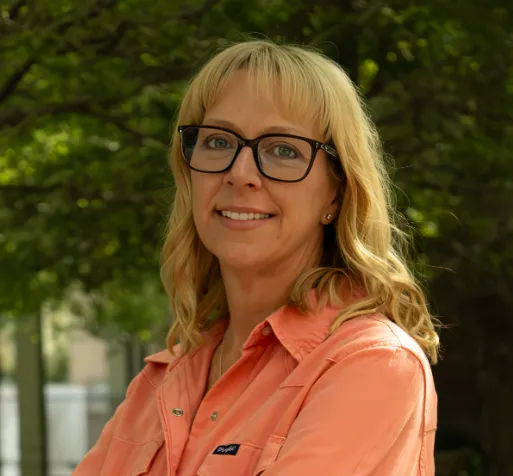
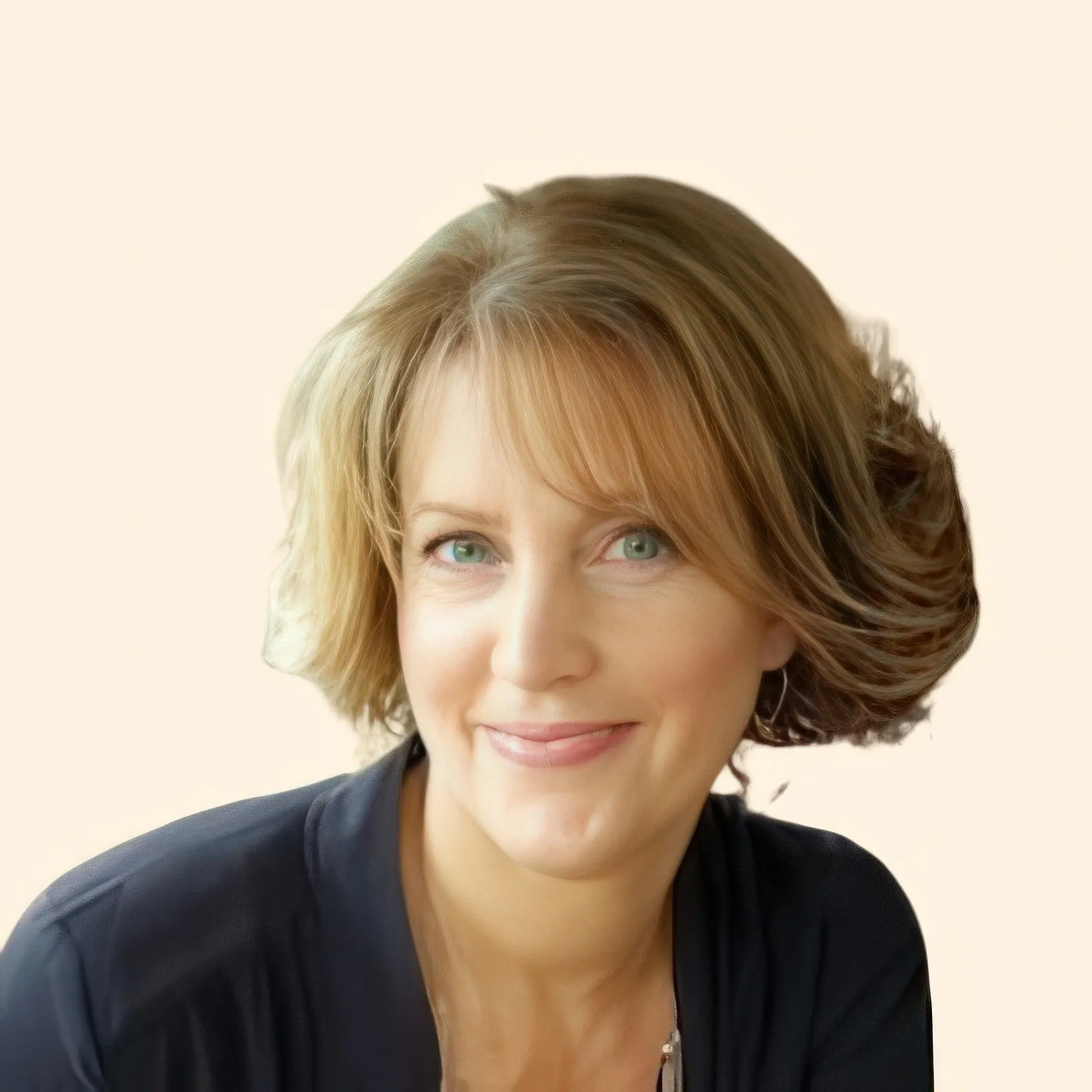
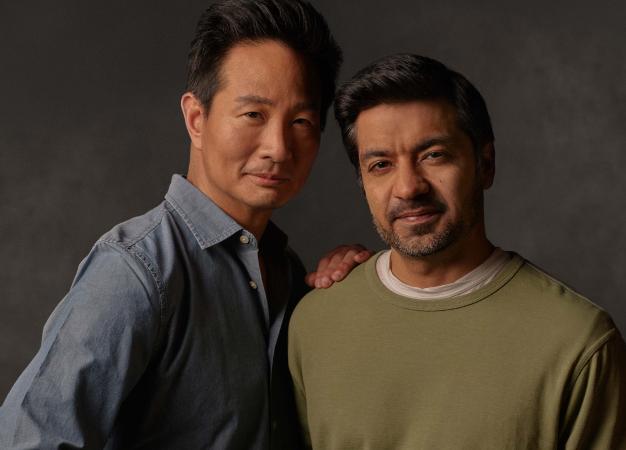
Our dedicated team of compassionate and experienced professionals is here to guide you on your journey to mental wellness. Each facilitator brings unique expertise and a heartfelt commitment to fostering a supportive and healing environment.
Sarah Appleton, PsyD, LMFT
Therapist
Sarah Appleton is a Licensed Marriage and Family Therapist & Professional Clinical Counselor in California with more than 15 years of experience. She has a Bachelor’s Degree in Psychology from California State University Bakersfield, a Master’s Degree in Counseling Psychology from California State University Bakersfield, and a Doctorate in Clinical Psychology from Alliant International University Fresno. Sarah believes that a therapeutic relationship can offer a supportive and encouraging environment to explore current struggles, understand how one’s history impacts the present and develop new strategies to build a full and satisfying life.
She has experience with individuals suffering from a range of concerns including anxiety and depression. Sarah tailors a treatment plan to each individual based on their needs and often utilizes cognitive behavioral principles. Sarah is passionate about assisting couples and families to improve their communication strategies and nurture important connections. Whether you have a good relationship that you’d like to make even better or want to heal a relationship that is hurting, Sarah can facilitate conversations and activities that build new skills and improve connections. In her spare time, Sarah enjoys spending time with family, reading and playing with her goldendoodles.
View ProfileJoanne Royer, PhD, LMFT
Therapist
My treatment philosophy with my clients comes from the belief that we are all on a mental wellness journey at different junctures along the way. That being said, what a gift it is to come into a space that is just your own, having a place to hear yourself talk through the thoughts in your head with someone on the other side who is outside of your life circle, where you can be seen and heard and come into it just as you are.
I create that space where you and I can have a conversation that is supportive, and action-oriented, where intentions can be set to include a dose of accountability and at times a gentle kick in the pants to move things forward.
After graduating from a Liberal Arts University with a MA degree in Psychology, in 1991 I became licensed in California as a Marriage, Family Child Therapist, holding subsequent licenses in the states of OR and WA. In 2000 I was awarded a Doctorate Degree in Child Clinical Psychology with post-graduate training in Psychological and Psychoeducation Testing. Professionally I have worked directly within Residential Treatment and Inpatient facilities for children and adolescents during the first decade of my career. In the second decade of my career, I provided Clinical Leadership to non-profit mental health teams. During these past 7 years, I moved into the field of Coaching, receiving training and certification from the International Coaching Federation as a Professional Certified Coach.
View ProfileCaitlyn Francis, PhD, NCSP, LP
Psychologist
Dr. Caitlyn Francis is a Licensed Psychologist, Nationally Certified School Psychologist, and Credentialed Health Service Psychologist who works with children, adolescents, emerging adults (ages 18-30), and families through therapy, psychological assessment, consultation, and parent support services. She provides in-person services at LifeStance Health in Folsom, California, and telehealth services throughout California. Dr. Francis offers services in both English and Spanish.
Dr. Francis understands that emotional challenges, life transitions, and relationship difficulties can feel overwhelming for individuals and families. She has extensive experience supporting individuals with autism, ADHD, executive functioning challenges, and other neurodevelopmental differences. She also works with clients experiencing anxiety, depression, trauma, adjustment difficulties, and family stressors, including parental separation and divorce. Her approach is warm, structured, collaborative, and individualized, building on each client's strengths while helping them develop practical skills and confidence to achieve meaningful goals. She takes a child- and family-centered approach, supporting clients and caregivers through important life transitions while promoting long-term emotional well-being.
Dr. Francis is passionate about helping adolescents and emerging adults navigate the transition to greater independence. She supports clients in strengthening executive functioning skills, building self-esteem, developing healthy relationships, and managing the social, academic, and emotional challenges that often arise during adolescence and emerging adulthood. As a certified UCLA PEERS® provider, she incorporates evidence-based social skills interventions to help clients improve communication, strengthen social connections, and increase social confidence. She also enjoys helping clients navigate college, career decisions, changing family dynamics, and identity development as they transition into adulthood.
Dr. Francis is dedicated to supporting parents and families. She helps caregivers navigate challenging behaviors, parenting stress, family conflict, and the evolving parent-child relationship as children mature. Drawing on evidence-based parenting approaches, she partners with caregivers to strengthen communication, increase confidence, and create positive, supportive family environments. She works closely with caregivers to help ensure that skills learned in therapy carry over into daily routines, school settings, and family life. She also enjoys working with adults as they adjust to parenthood and explore how their own experiences, relationships, and family histories influence their parenting.
Dr. Francis also has extensive experience helping families navigate the special education process, including reviewing IEPs and 504 Plans, collaborating with schools, and coordinating care with educators, physicians, and other providers to support students across home, school, and community settings. She helps families understand psychological evaluation results and recommendations and provides consultation regarding next steps and support services.
Dr. Francis completed her APA-accredited doctoral internship at The Help Group and her APA-accredited two-year Clinical Child Psychology Postdoctoral Fellowship at Children's Hospital Los Angeles. She is a graduate of the Leadership Education in Neurodevelopmental and Related Disabilities (LEND) program and has specialized training in the Incredible Years® parenting program. Using evidence-based approaches tailored to each client's needs, she helps children, adolescents, emerging adults, and families build on their strengths, navigate challenges, and achieve meaningful goals.
Outside of work, Dr. Francis enjoys spending time with her family, exploring new restaurants, enjoying nature, attending cultural events, and participating in her church community.
View ProfileDayla Patterson, MSC, LMFT
Therapist
Dayla Patterson, LMFT, provides compassionate and personalized mental health care to adults and seniors across California. She helps clients navigate life’s challenges by fostering self-awareness, resilience, and personal growth. Through individual, family, and group therapy, Dayla supports her clients in developing the tools they need to promote well-being and lead fulfilling lives.
Dayla specializes in treating anxiety, depression, and PTSD/trauma. She understands how these conditions can impact daily life and relationships, and she tailors her approach to meet each client’s unique needs. Whether clients are facing the stress of midlife transitions, coping with grief, or managing postpartum depression and anxiety, Dayla offers a safe and supportive environment for healing. She is also skilled in addressing sleep disorders and women’s issues, ensuring that her clients receive comprehensive care.
In addition to her primary specialties, Dayla works with individuals managing ADHD, bipolar disorder, and psychosis/schizophrenia. She incorporates evidence-based interventions like Cognitive Behavioral Therapy (CBT), Dialectical Behavior Therapy (DBT), and mindfulness practices to support her clients' progress. Dayla is also experienced in family therapy, helping families strengthen communication and navigate complex dynamics.
Dayla’s practice is inclusive, serving diverse populations, including individuals in the adoption and foster care system and those on the autism spectrum. She is passionate about creating an affirming space where clients feel seen, heard, and empowered.
Outside of her professional life, Dayla enjoys reading, meditation, and exercising. She finds fulfillment in helping clients connect with their strengths and navigate available resources to achieve happiness and personal growth.
View ProfileKory Stotesbery, DO
Psychiatrist
I am a child, adolescent and adult psychiatrist that specializes in the evaluation and management of ADHD as well as anxiety (Generalized Anxiety, OCD, PTSD, Phobias) and depressive disorders. I also have experience working with eating disorders across various treatment settings. I have also consulted in assisting people in professional and performance development. My approach focuses on a thorough evaluation which we use as the basis for your plan of care. From there we have a conversation about the evidence-based options for your treatment. Together we work to understand which options meet you where you are at and take you toward your goals. I completed medical school at the Philadelphia College of Osteopathic Medicine, Adult Psychiatry Residency at Thomas Jefferson University Hospital and Child and Adolescent Psychiatry Fellowship at Children’s National Medical Center.
View ProfileBryan Matson, MS, LPC
Therapist
Bryan Matson, LPC Bryan Matson is a Licensed Professional Counselor in Colorado who has been practicing since 2020. He has a Master of Science in Clinical Mental Health Counseling from California University of Pennsylvania and a Bachelor of Science in Psychology from Pennsylvania State University. Bryan is a trained EMDR therapist with a passion for helping individuals who have experienced trauma. Over the years, he has worked with people from various backgrounds and cultures and is committed to creating a safe and non-judgmental space for his clients to explore their experiences and heal. Bryan’s approach to therapy is collaborative, client-centered, and evidence-based. He believes that every individual is unique and deserves a personalized treatment plan that addresses their specific needs and goals. Outside of work, Bryan enjoys being in nature and engaging in numerous outdoor activities.
View ProfileRon Pilato, PsyD, LP
Psychologist
Dr. Ron Pilato is a Psychologist who has been practicing since 2003. Following his undergraduate degree from Cornell University and Master’s degree from the California Institute for Integral Studies, he graduated from the Wright Institute with a doctorate in Clinical Psychology. Ron believes in mindfulness-based, cognitive-behavioral, interpersonal neurobiology, psychodynamic, and stress reduction approaches. He enjoys exploring personal agency and sources of often unseen strengths including human diversity, spiritual and religious practices and beliefs, and the prevention and treatment of burnout. He is deeply dedicated to helping people live full, authentic, engaged lives, assisting them in revealing meaning, purpose, and direction through life’s navigations and challenges. Dr. Pilato cultivates special interests working with members of LGBTQ+ and marginalized communities. In his spare time, Ron enjoys long hikes in nature, practicing meditation and spending time with his family, which includes two cats, Tina and Tiger.
View ProfileMichael Evans-Zepeda, PsyD, LP
Psychologist
Michael D. Evans-Zepeda is a Psychologist in California who has been practicing since 2011. It takes vulnerability and courage to reach out, especially when we are in pain. When working with clients, Michael does his best to co-create a safe containing environment that allows us to explore, integrate, change, and accept difficult aspects of our lived experience. This is accomplished through the exploration of how the past comes into the present moment and by working in the relational space between therapist and client. Therapy is an ongoing process that helps us build our reflective capacity, emotional intelligence, and innate resiliency.
Michael specializes in working with individuals, couples, families, adolescents, and children that have experienced repetitive and developmental trauma. He also specializes in the treatment of depressive disorders, anxiety disorders, and substance abuse which often co-occur with trauma. Michael has experience in working with individuals struggling with adult ADHD. He deeply understands the challenges of caretaking and being a member of the sandwich generation.
He has a strong affinity for veterans, first responders, law enforcement, their families and the challenges that come with those chosen professions. Michael is also LGBTQIA friendly. Thank you for taking the time to read a little bit about Michael and how he works. He looks forward to meeting with you! In his free time, Michael enjoys time with his family, being in nature, physical fitness, martial arts, DIY home projects, and is a proud girl dad.
View ProfileRachael Polokoff, PhD, LP
Psychologist
Many of us feel overwhelmed with demands of work, health issues, family life, financial pressures and ask- “Where is the space for self-care?” Maladaptive coping skills (addictive behaviors, substance use issues, avoidance of activities) can easily take the place of healthy self-care techniques. However, there is a healthier path to walk down, which I can help you to master. I have spent my career helping teenagers and adults cope with difficult behavior patterns, and I can attest that once the source is uncovered, these behaviors can be changed to more accurately reflect your authentic self (artistic, creative, social, etc). I use Cognitive Behavior Therapy (CBT) to treat mood disorders, addictive behaviors and codependency.
I am also well versed in treating chronic pain and health issues. I work in individual and group treatment modalities. am certified in Mindfulness Based Cognitive Therapy (MBCT), Mindfulness-Based Self-Compassion (MSC) and versed in Dialectical Behavior Therapy (DBT) and Acceptance and Commitment Therapy (ACT). As a creative in the Los Angeles community, I also use poetry and music to encourage more mindful participation in the world around us. As a psychologist, I can provide cognitive, psychological and personality testing to help differentiate between conditions that have similar symptoms but different treatments.
View ProfileCindy Speakman, MSW, LCSW
Therapist
Cindy Speakman, LCSW California BBS #66060
Cindy Speakman, LCSW, is a psychotherapist who believes healing begins with being truly seen, heard, and understood. She works with adults navigating life’s most complex emotional experiences—from grief and loss to anxiety, depression, and life transitions—and helps them reconnect with their sense of self-worth, empowering them to move forward in a more healthy, happy and peaceful direction in the journey of life.
With over 20 years of experience, Cindy specializes in supporting individuals facing chronic illness and serious medical conditions, infertility and postpartum challenges, and identity issues, including the LGBTQ+ population. She also has experience in helping older adults, survivors of domestic violence and sexual assault, and those managing ADHD, low self-esteem, and care giver challenges and burnout.
Cindy is a Certified Bereavement Counselor and a trained facilitator in the Healing After Loss grief support program. She offers both individual and group grief therapy, honoring each client’s unique grieving process with empathy, understanding and acceptance. Grief is a universal experience, but is not well understood or accepted in our society. Cindy strives to help those experiencing grief and loss to feel understood and accepted, wherever they are in their journey. She is a Certified Grief Educator, via David Kessler’s Grief Educator Program. Kessler is considered one of the world's foremost experts on grief and loss.
Drawing from Cognitive Behavioral Therapy and mindfulness-based practices, Cindy helps clients manage anxiety through grounding techniques, relaxation tools, and practical coping strategies. Her approach is compassionate, strengths-based, and often infused with gentle humor. Clients describe her as kind, empathetic, a great listener—and someone who genuinely cares.
Cindy believes that therapy doesn’t end when the session does. She often invites clients to explore reflections or practices between sessions to deepen their insight and progress. She’s honored to support you in creating a more grounded, fulfilling life—one step at a time.
In her spare time, Cindy enjoys crafting, reading, spending time in nature, and swimming. She loves music, spending time with her family (including her 2 furry children!) and traveling, whenever she gets the chance! She loves the Dodgers (Go Blue!), Star Wars (May the Force be with you!) and U2 (If your dreams don’t scare you, they’re not big enough!).
You’re not broken—just bent. Let’s find a way forward.
View Profile